Chef’s table #2: Isan summer
Rare Ingredients Star in TAAN’s Isan Summer Collaboration
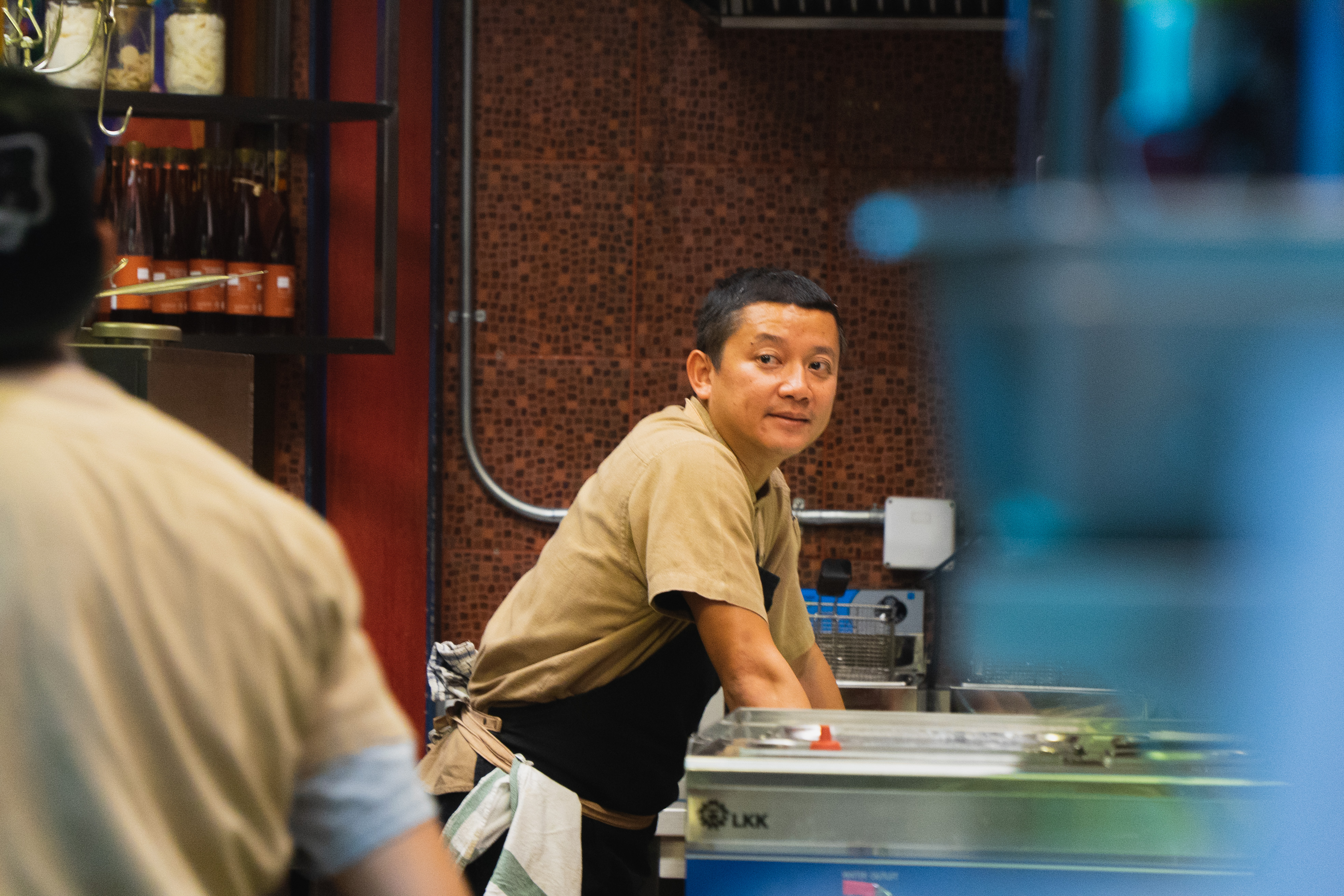
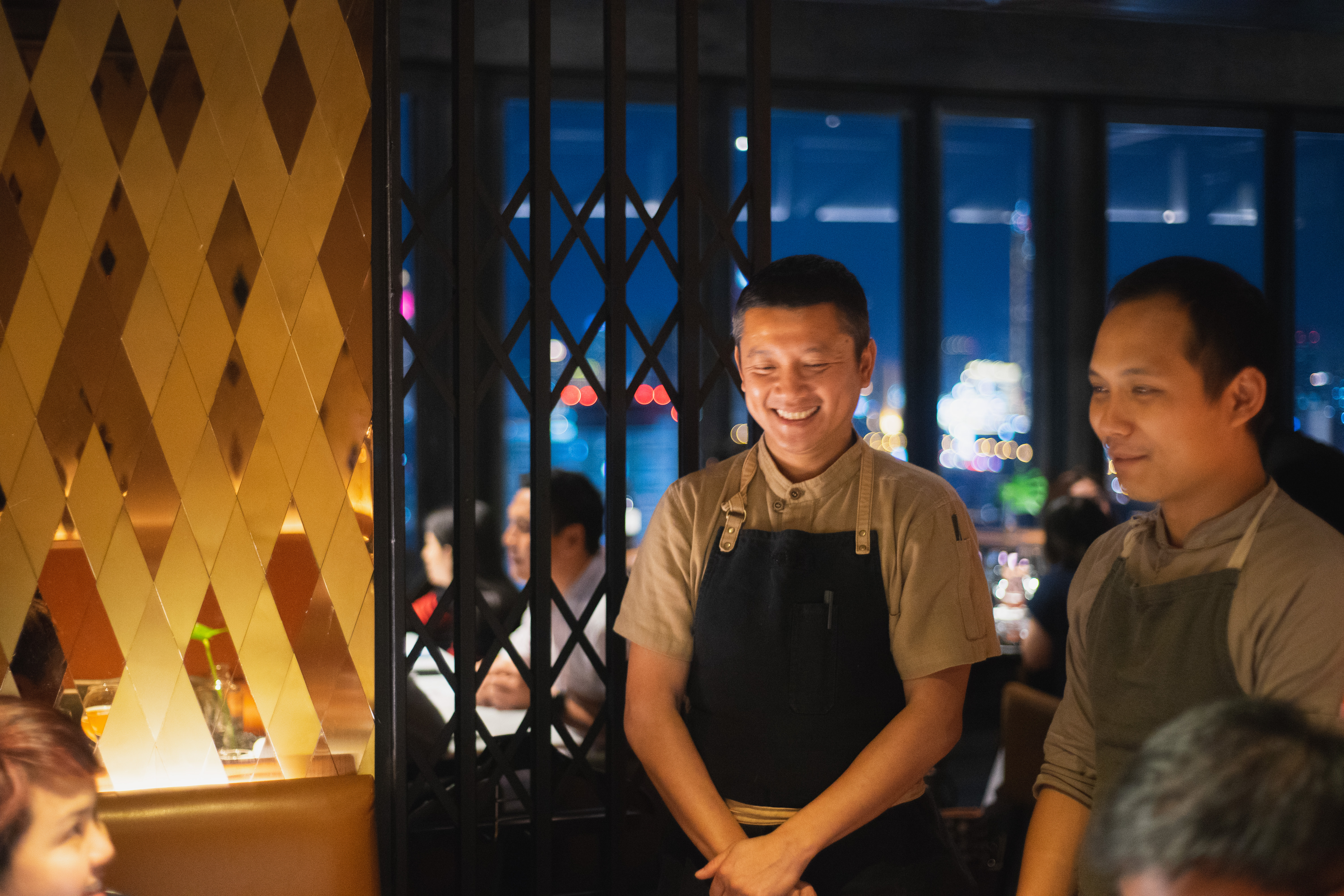
For the third installment of TAAN’s Chef’s Table dinner series, Chef Thep welcomed to the kitchen his dear friend and fellow lover of all things local, Chef Weerawat “Num” Triyasenawat, known for helming Udon Thani’s highly-seasonal Samuay & Sons restaurant.
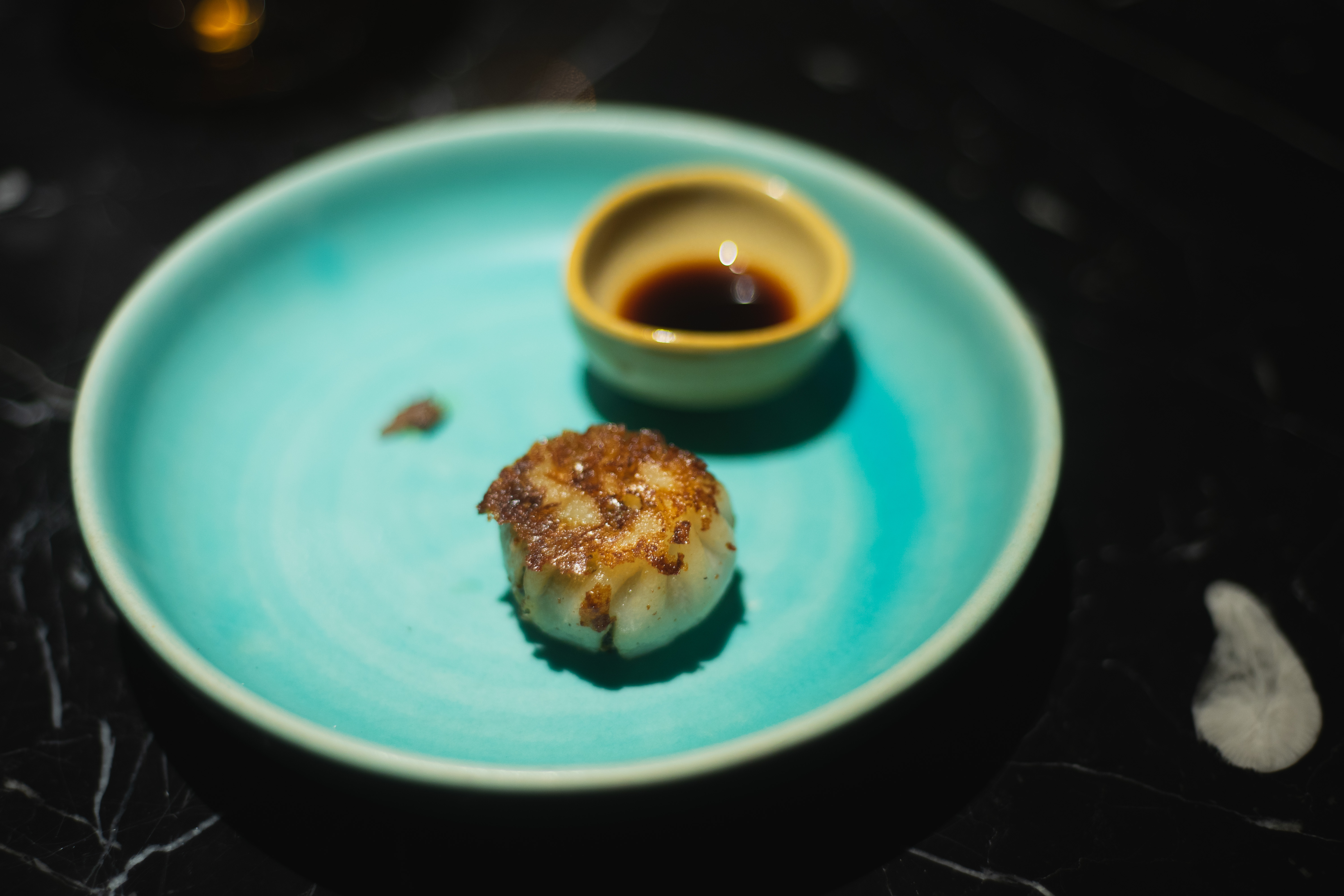
The event in early April, dubbed “Isan Summer,” saw the two chefs put the focus unique, native Isaan ingredients across a delicious nine-course din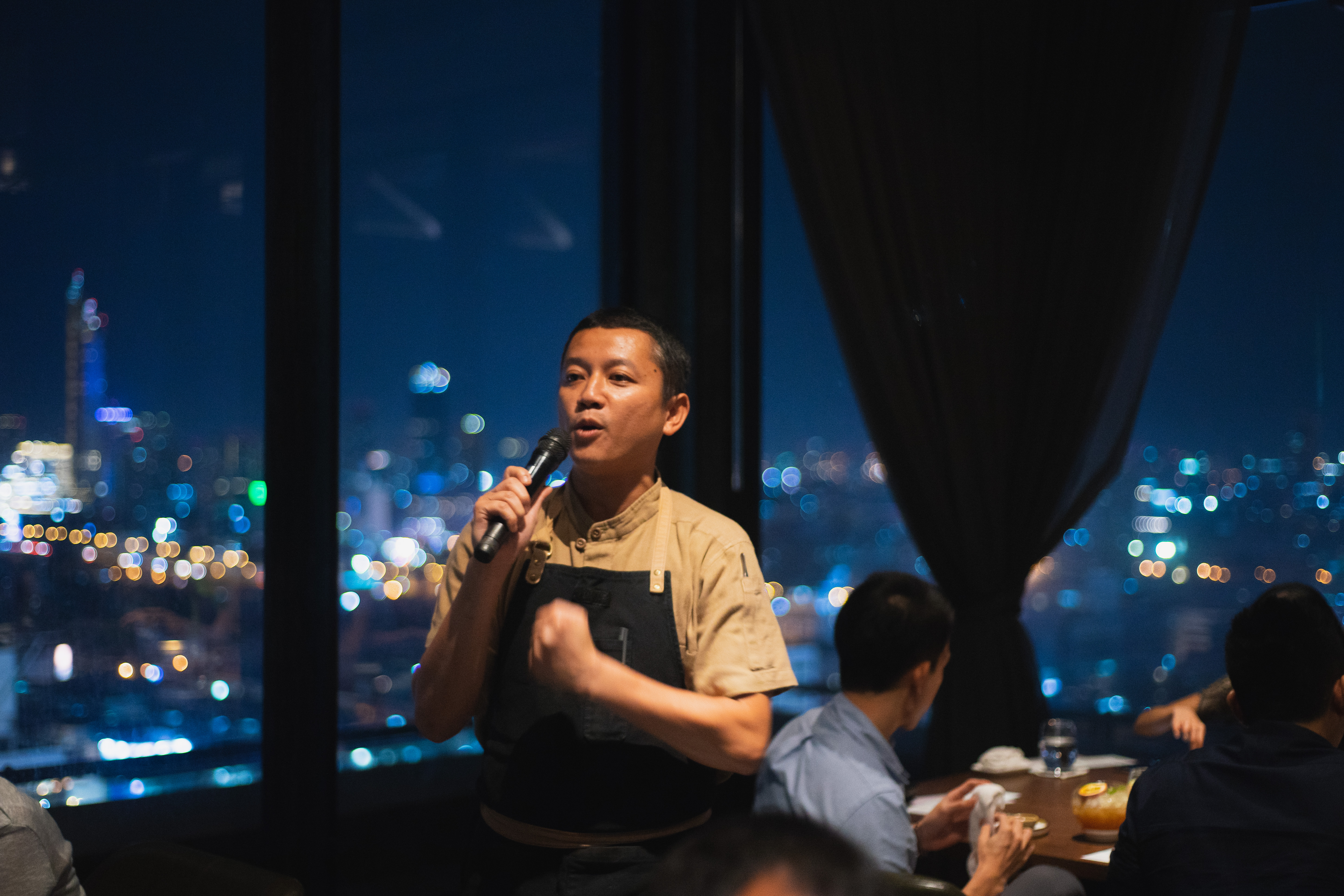 ner that combined traditional knowledge with modern cooking techniques.
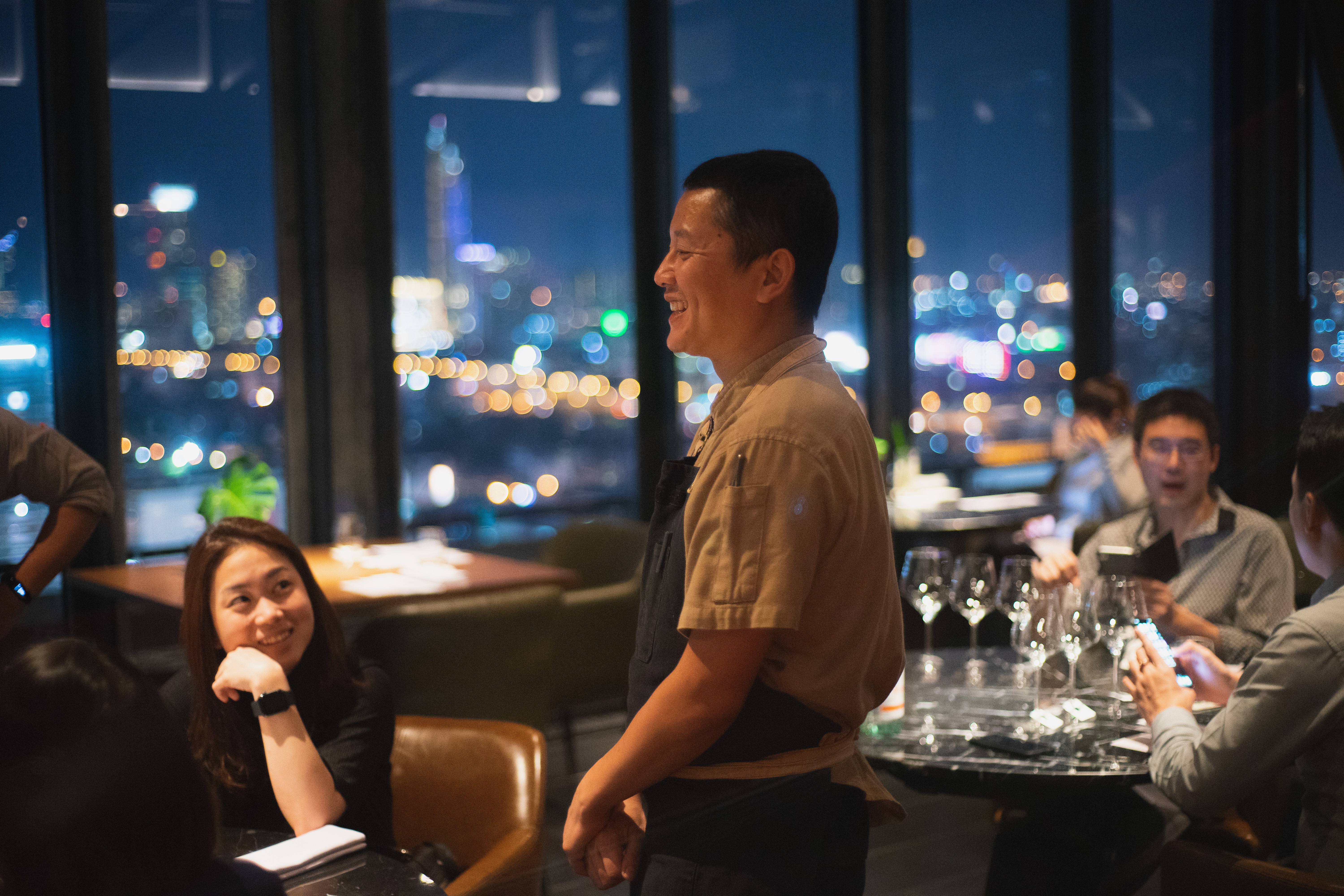
Chef Num also used the event to open up about his culinary upbringing and his cooking philosophy. After a period studying in San Francisco when young, Chef Num returned to his homeland determined to embrace his roots and peel back the layers of Thai cuisine.
He and his brother Worrawut founded Samuay & Sons in 2014 with the aim of shining a light on indigenous, sustainable and foraged produce, across both traditional and new Thai recipes. In reaching out to local farmers, he came across the concept of “eating food as medicine” and this notion permeates his cooking.
As Thailand’s rural farming areas undergo rapid development, local wisdom when it comes to natural forest resources has inevitably gone into decline. As such, Chef Num decided he would dedicate his restaurant to helping preserve various time-honoured traditions when it comes to seasonality and healthy eating. Born and raised in Thailand’s Northeast, or Isan, region, it was only natural that he open his restaurant there.
Chef Num explained that that thanks to new technologies many farmers in Isan have been able to grow their crops and raise their livestock more efficiently without any chemical intervention. Many are also turning to foraging of forest ingredients as their main career, as well. Such practices have ensured a steady supply of fresh ingredients to his doorstep without necessitating a large carbon footprint.
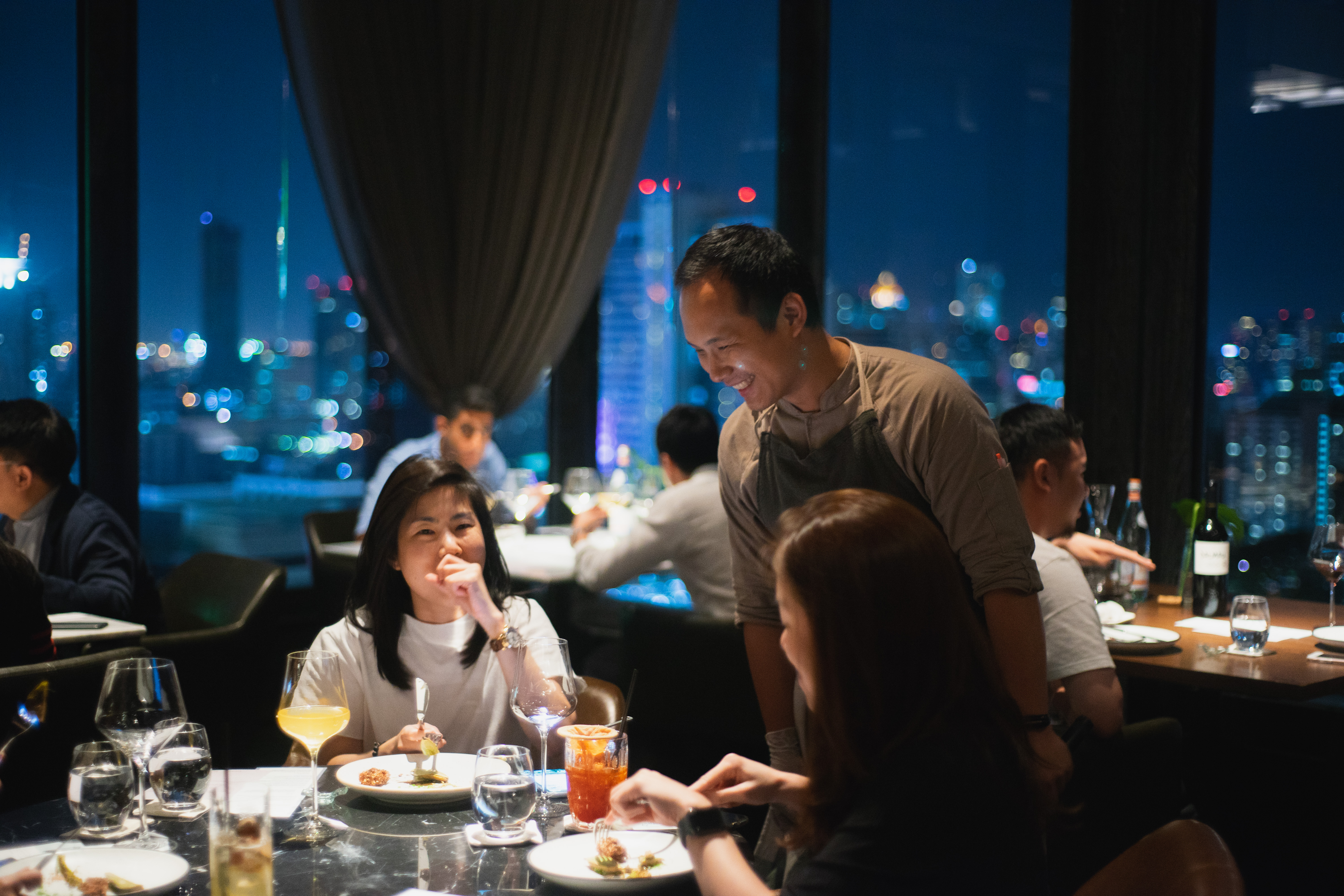
He further explained that the scarcity of food sourced in times gone by meant Isan people often had to improvise, the result being some highly exotic dishes brimming with funky flavours and textures. As evidence, he introduced diners to some of the rare ingredients he regularly works with, such as forest-harvested red ant larvae or cicada “roe.”
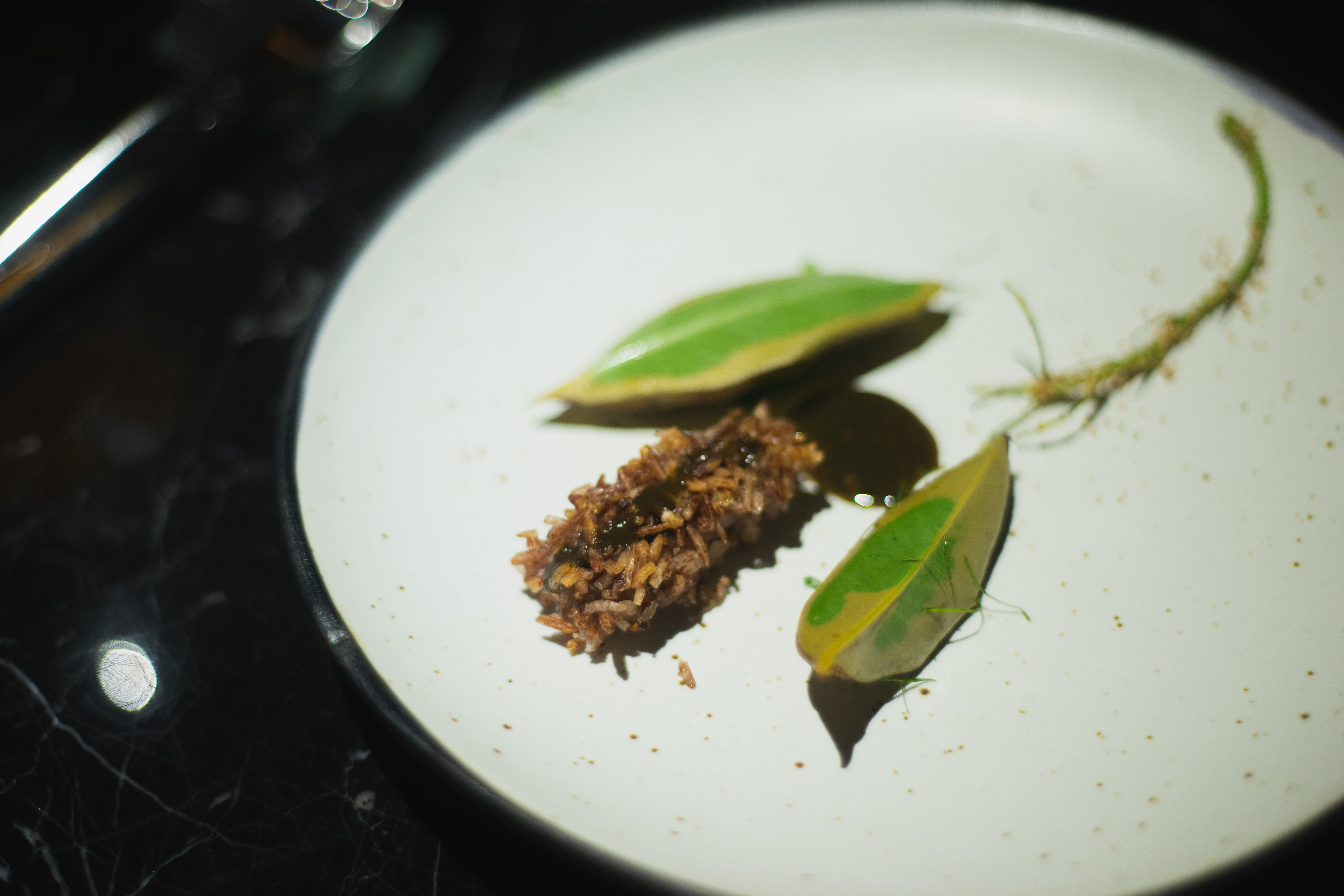
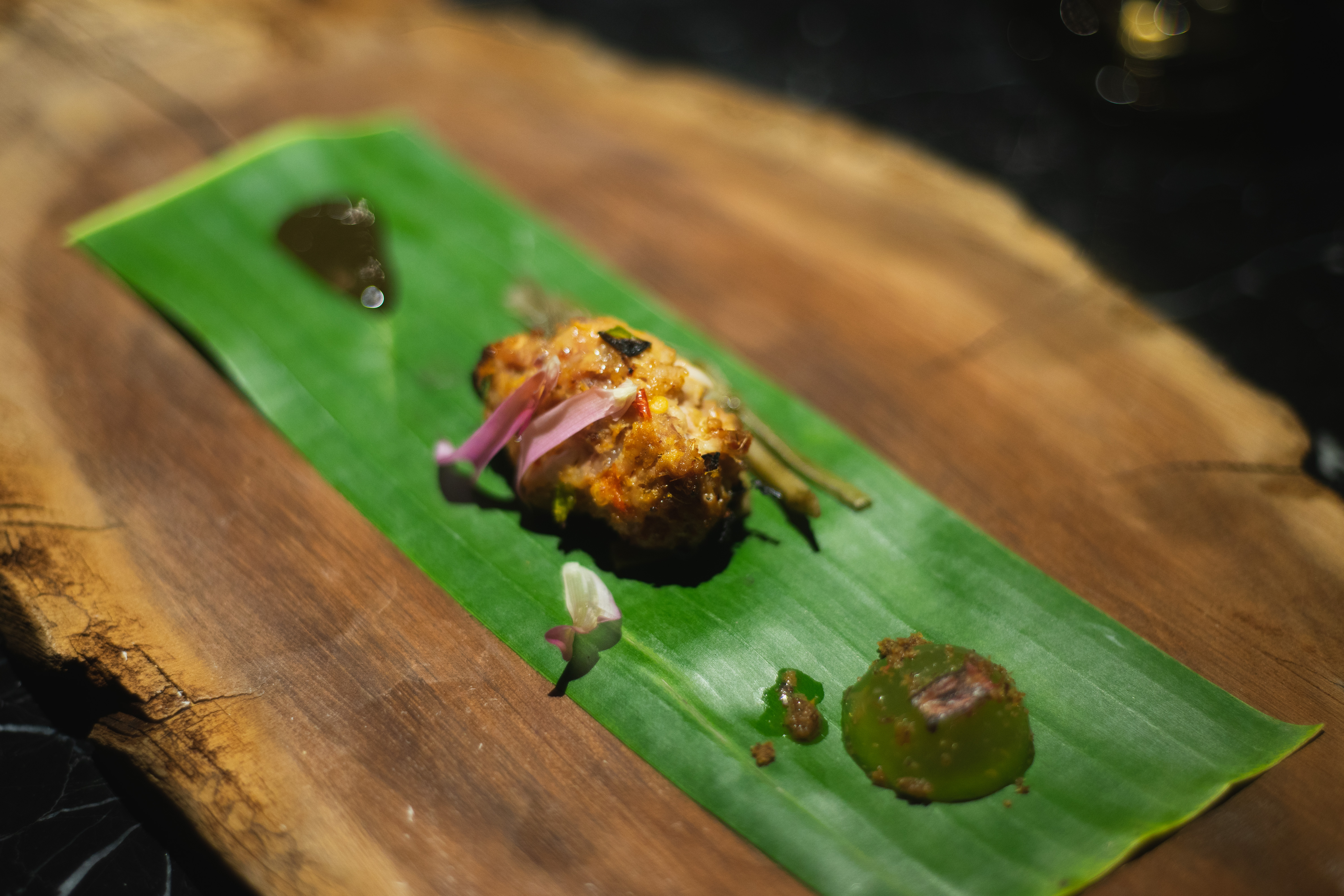
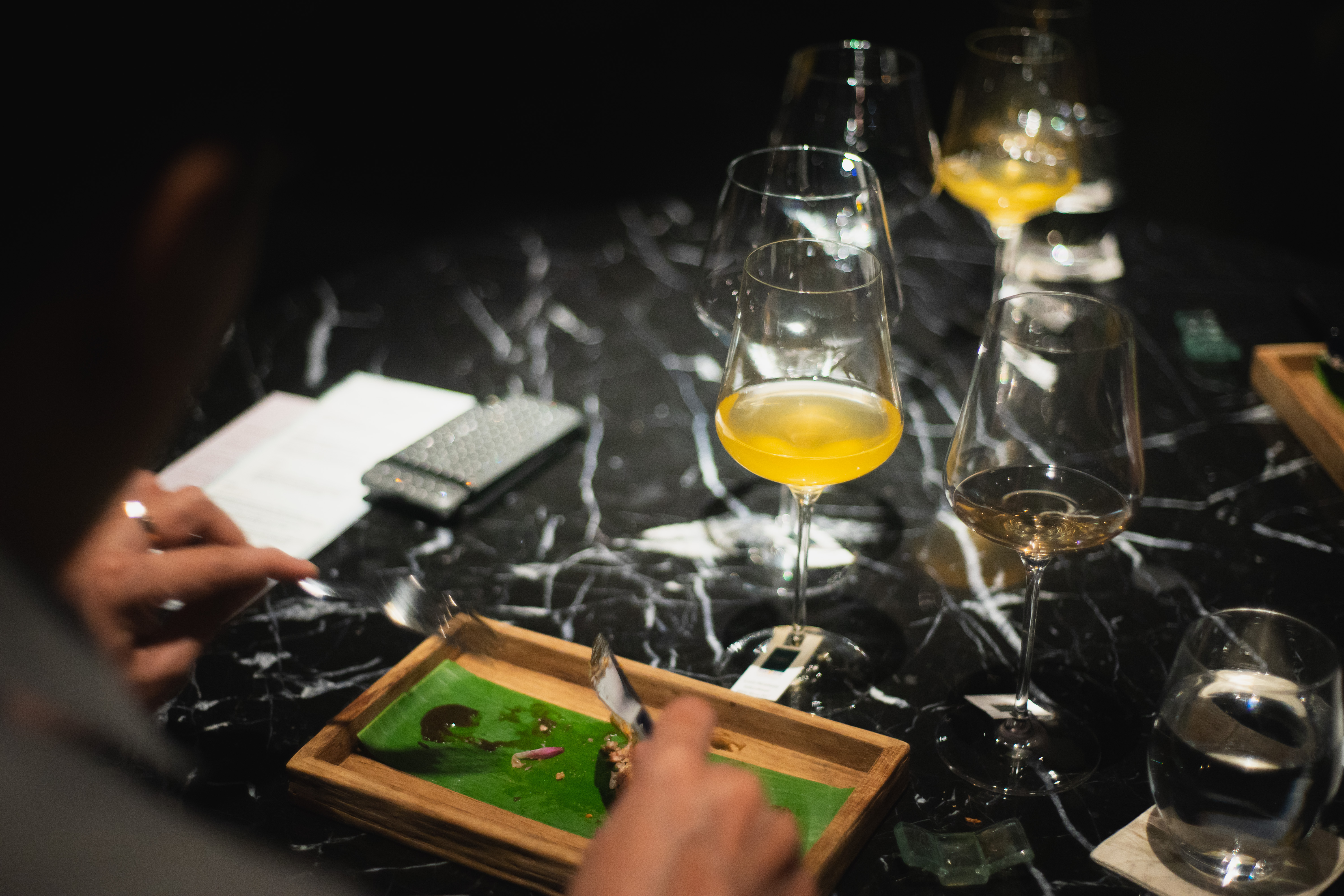
The meal kicked off with a “Palate Flight,” in which Chef Num and Chef Thep combined three amuse bouche that best represent the Isan region: frog and cassia leaves for “Pond,” smoked fish rice for “Soil” and baby bees-fermented fish crumbs for “Mountain.” These bite-sized morsels each featured attention-grabbing flavours, from the slightly bitter, palate-cleansing Pond to the utterly refreshing Soil. The Mountain amuse bouche rounded off the flight with sweet, almost dessert-like flavours.

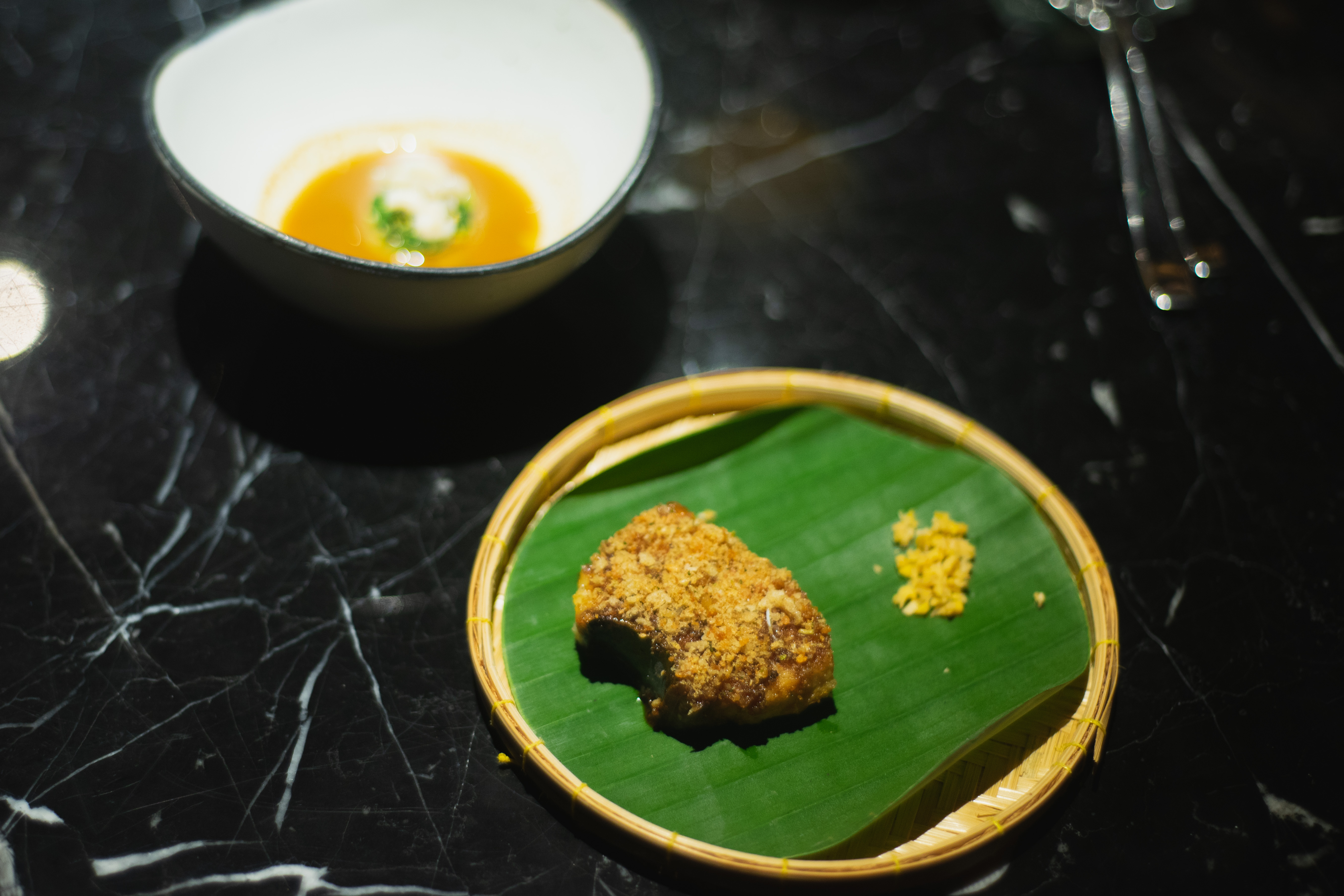
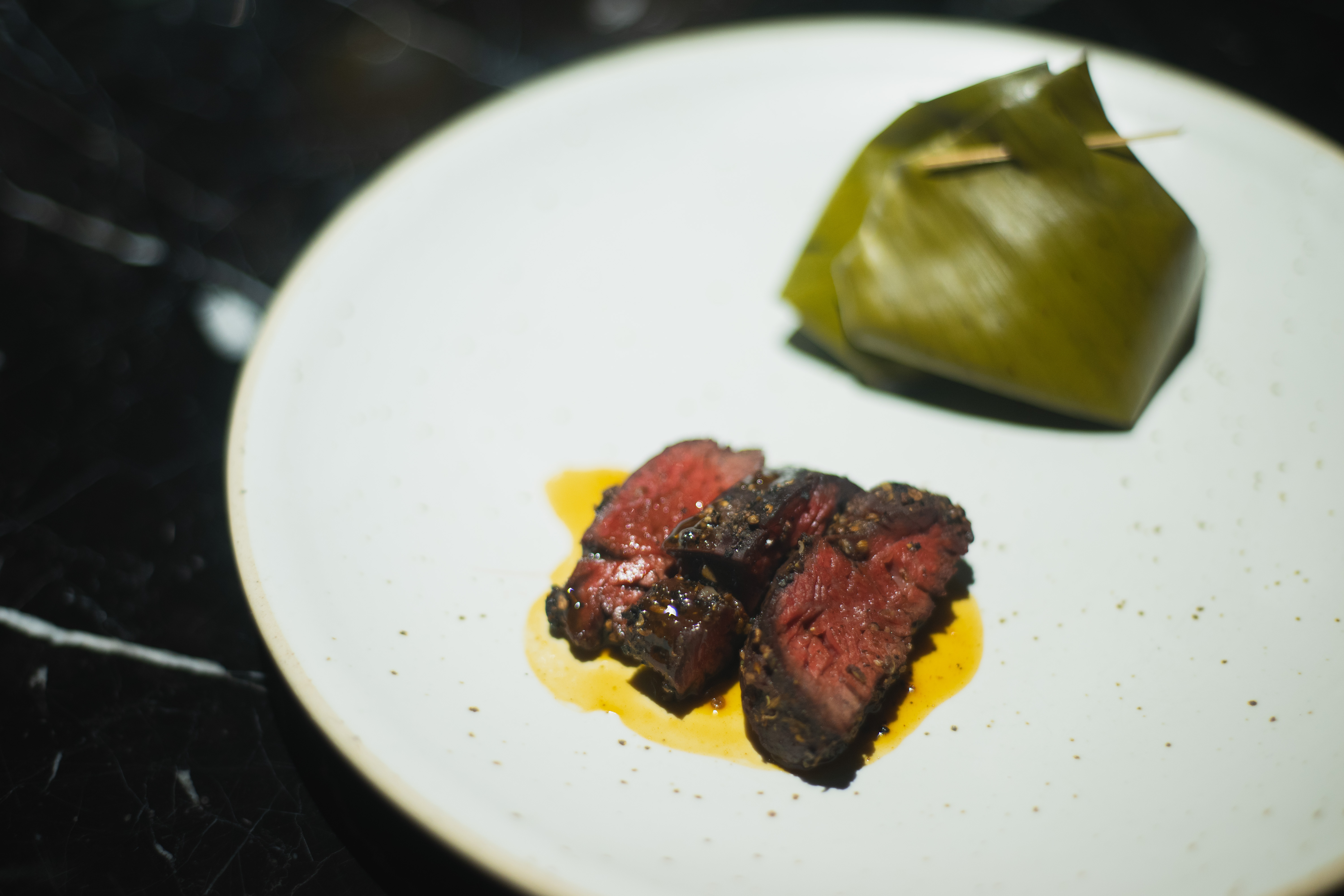
On to the main attraction, which saw deep-fried, sun-dried and cured wild boar cooked with wild phak wan (a sweet, leafy vegetable) for texture and given a punch of aroma from a smoked chili-fermented bamboo glass coulis.
Chef Num explained that the exotic ingredients in this dish can only be harvested during summer. “We are all part of nature, our biological clocks are hard-wired to the seasons,” he said. “Therefore, whatever nature provides us in a certain season, we are meant to take. In the same way, the local medication wisdom passed down for generations also dictates that we shouldn’t consume ingredients out of season.”
Aside from tasting all the intriguing flavours, Chef Num said he also hoped diners came away from the event with a greater appreciation of Thailand’s vast array of exotic seasonal ingredients, some of which are becoming harder and harder to source. “If nobody knows and cares about these products,” he said, “they will eventually no longer exist.”
Stay tuned for more insightful Chef’s Table events at TAAN.