Chef’s table #3: Peranakan cuisine
TAAN’s Chef Table to Shine a Light on Peranakan Cuisine
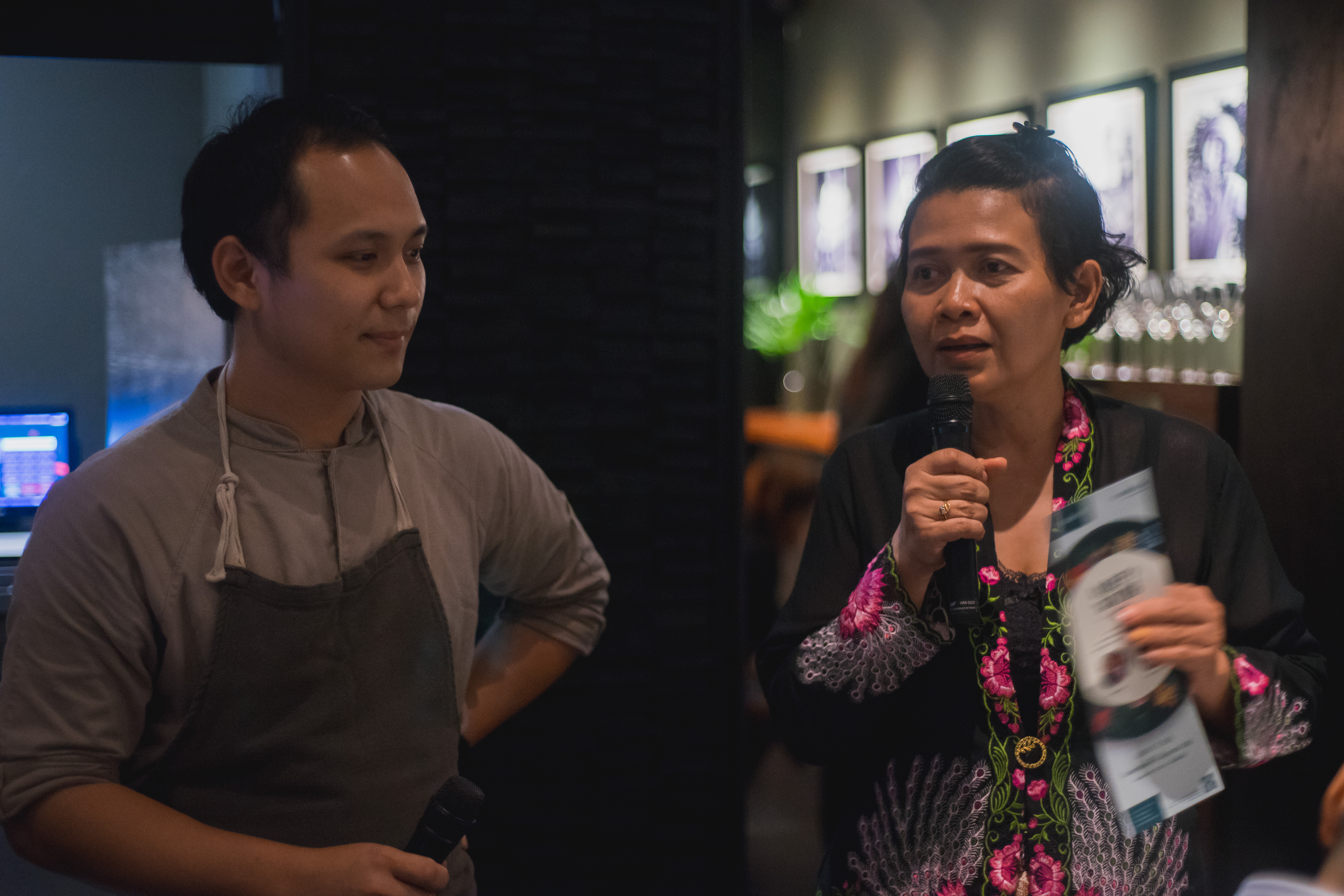
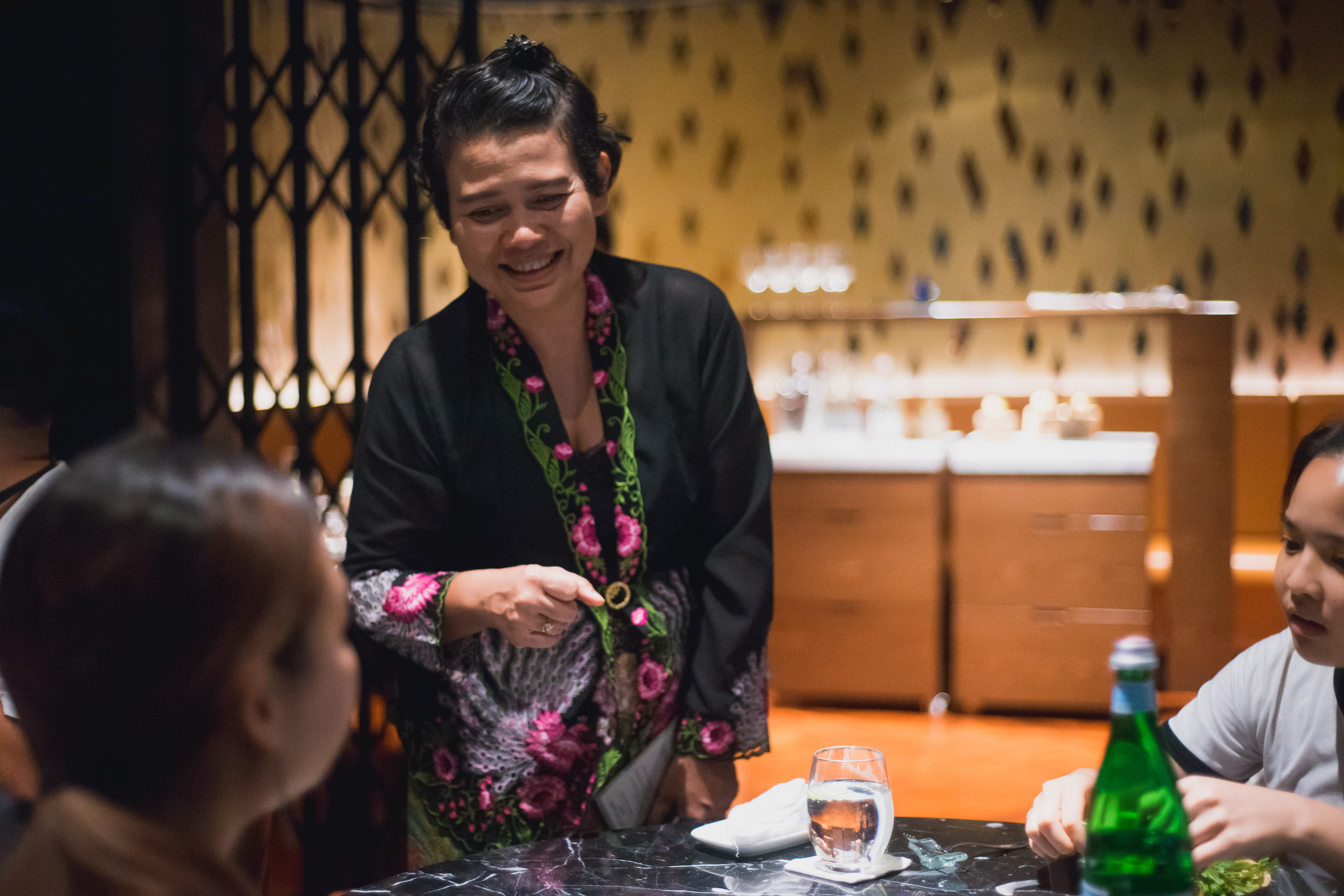
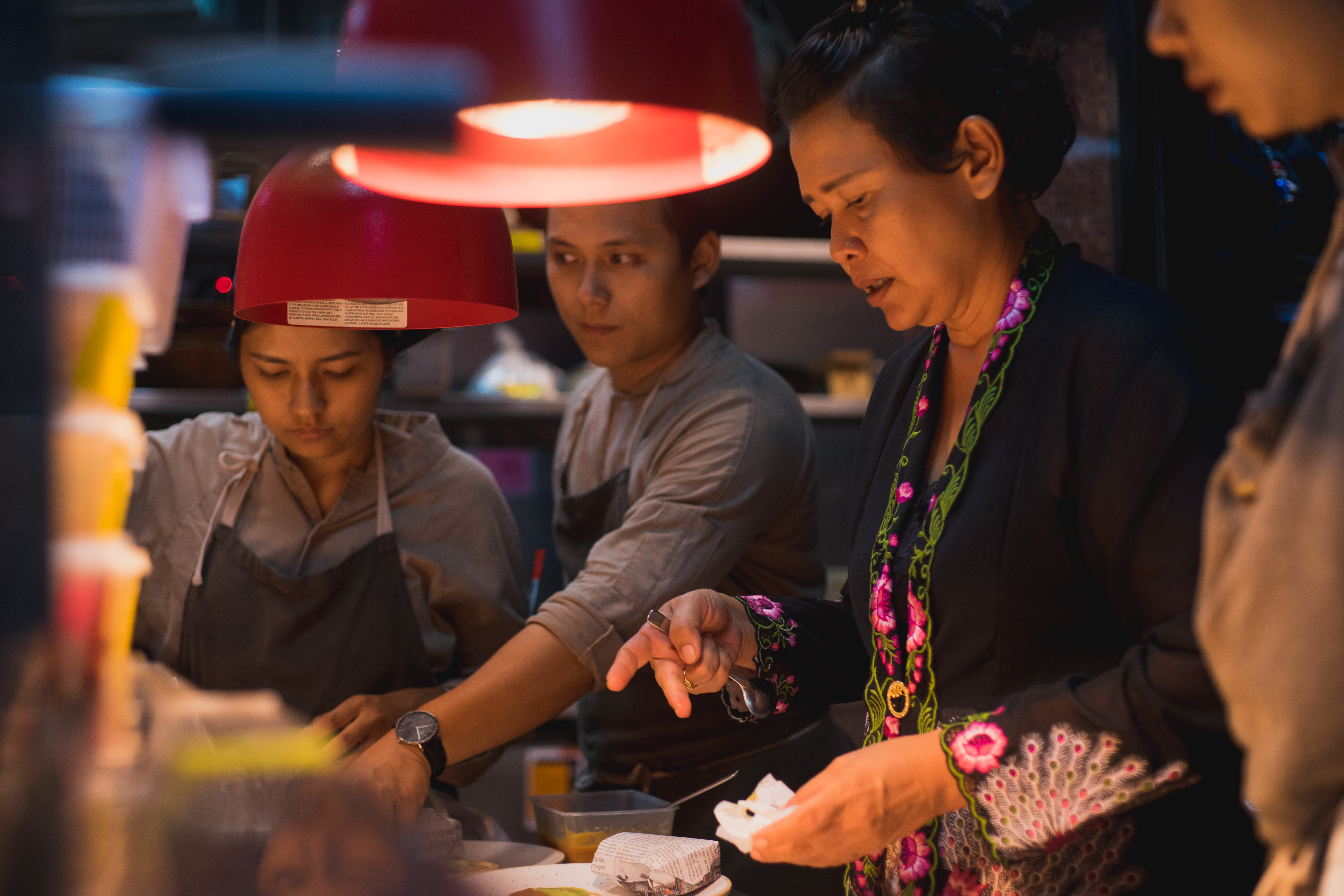
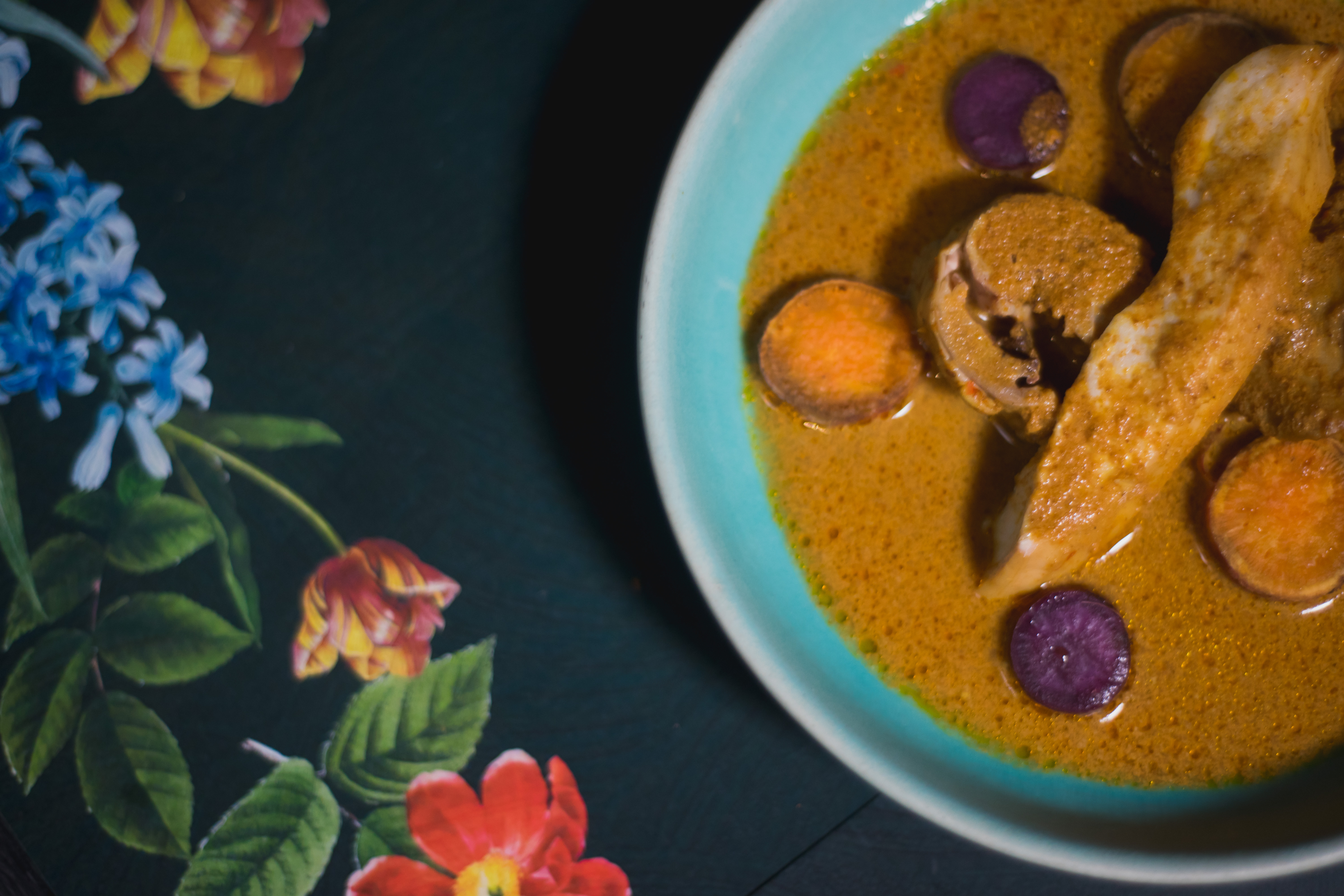
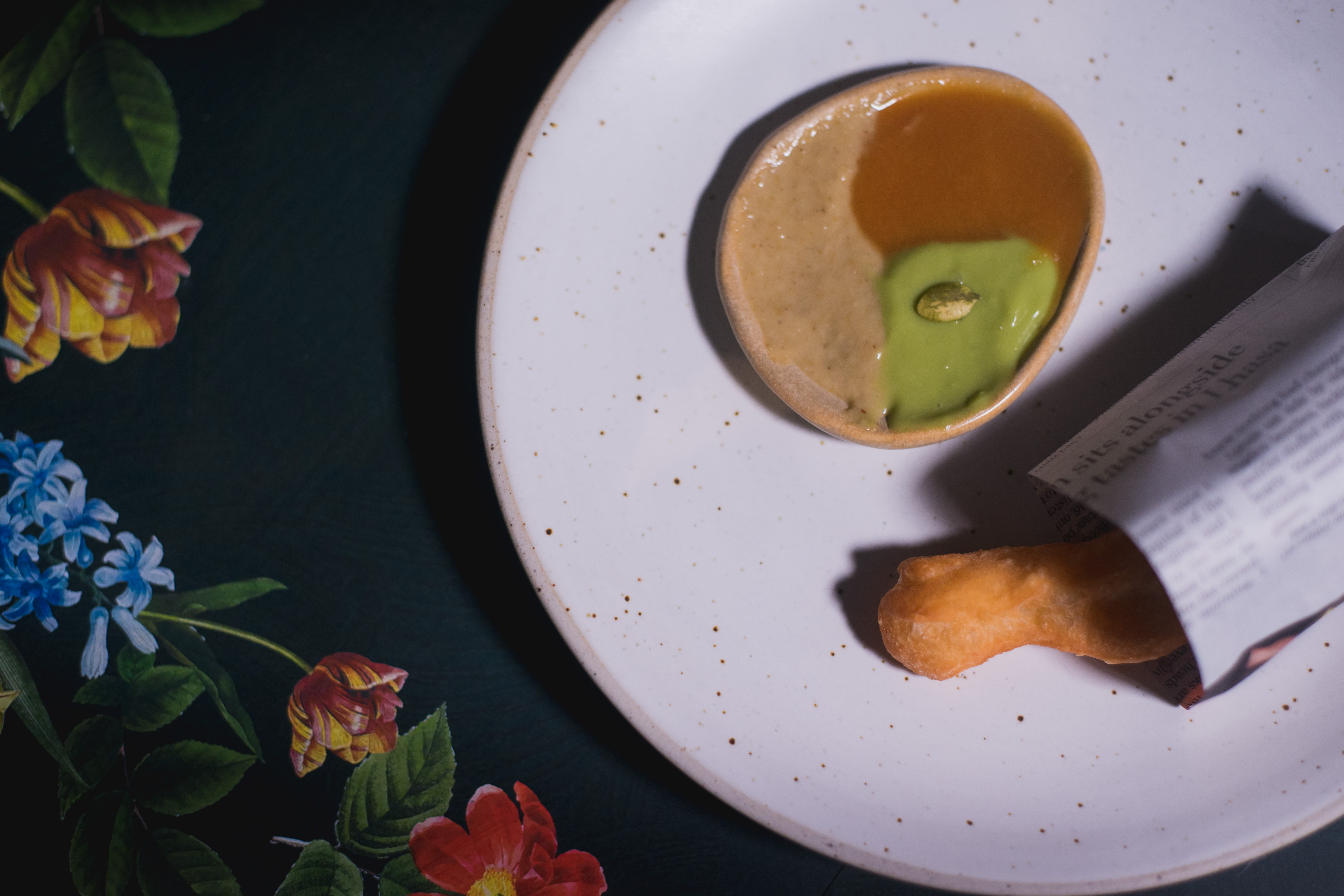
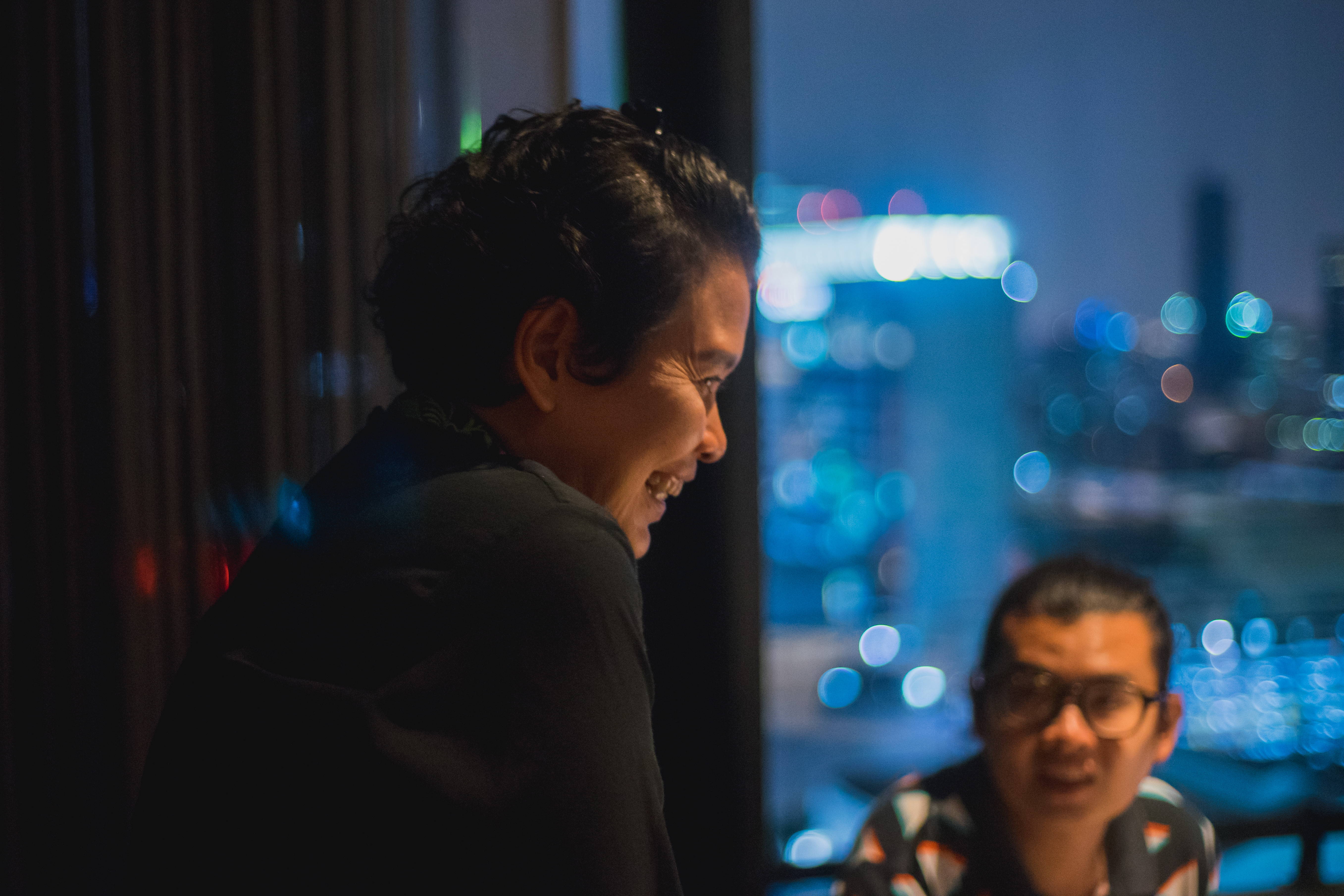
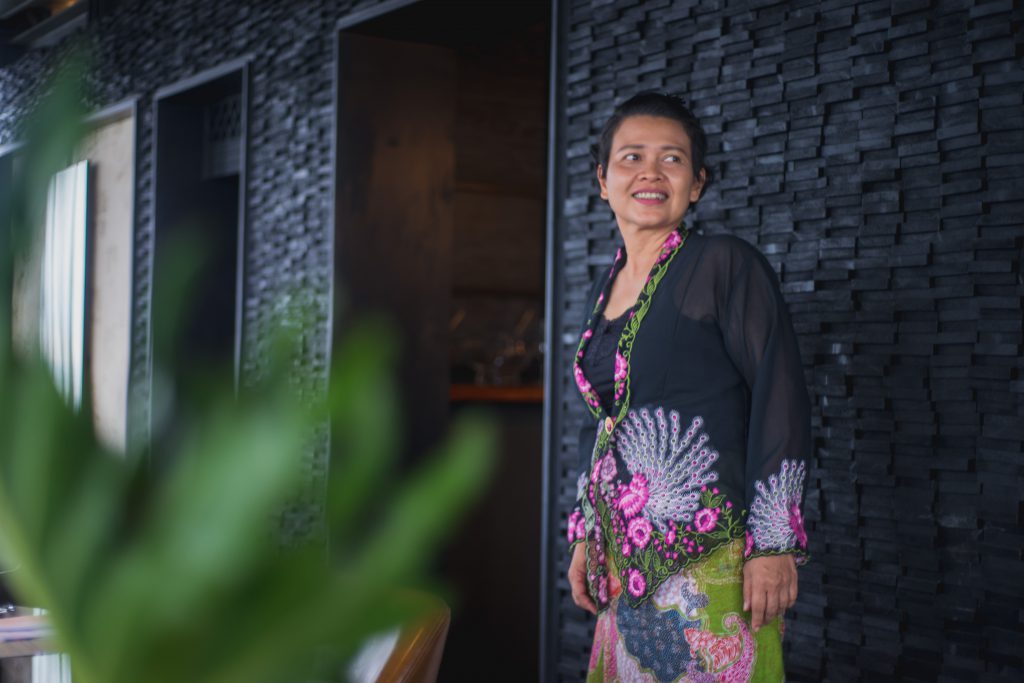 For the third edition of TAAN’s Chef’s Table dining series, we welcomed Kanaporn “Aum” Chancherdsak, the chef-owner of Trang’s “reservation-only” restaurant Trang Ko’e, to shine a light on Peranakan, or Nyonya, cuisine.
Rarely found in Bangkok, Peranakan cuisine dates as far back as the 13th century and the intermarriage of Chinese sailors and local women of the Malay Peninsula from Malaysia to Singapore to Thailand’s South–in fact, the term “Nyonya” literally refers to Peranakan women.
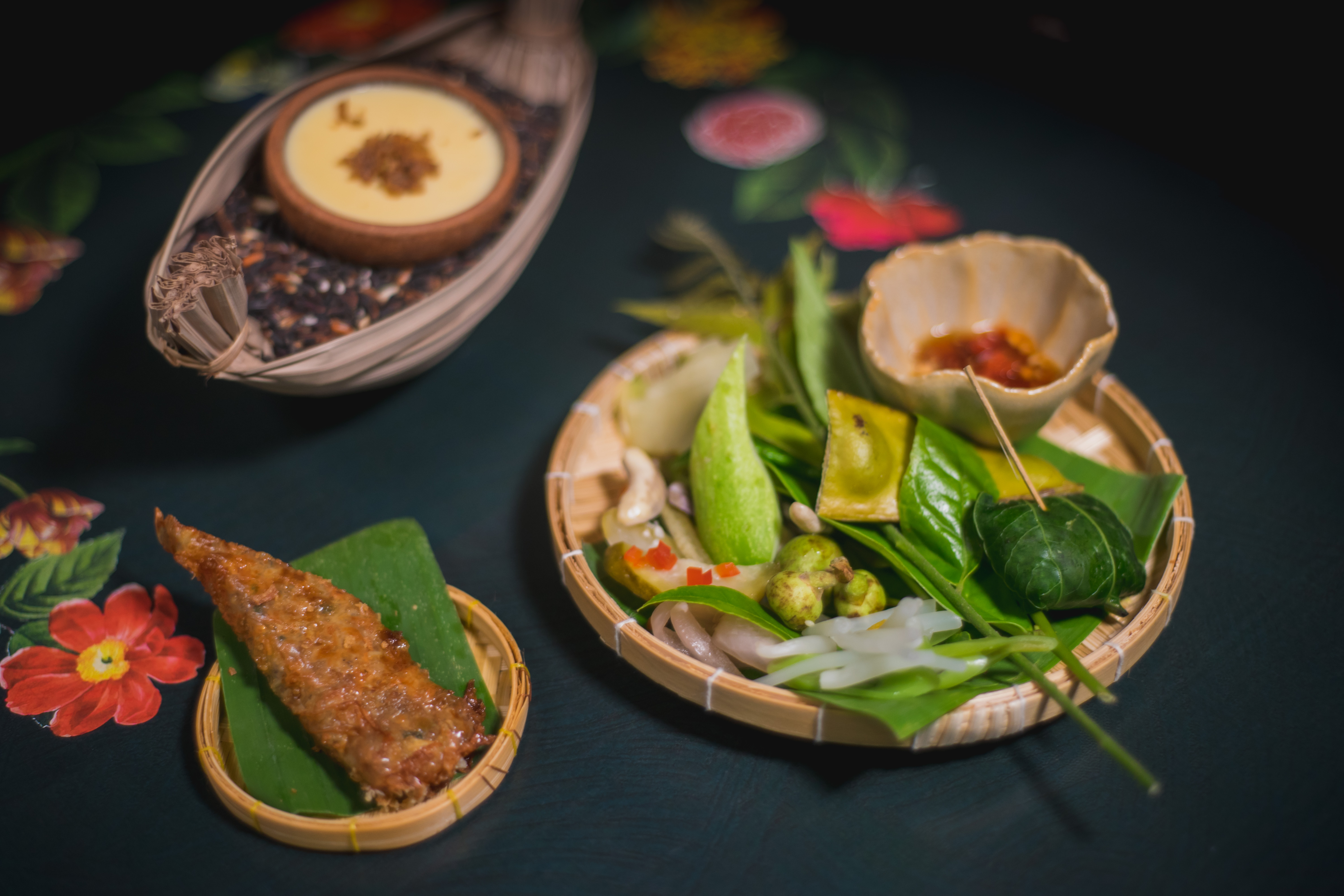
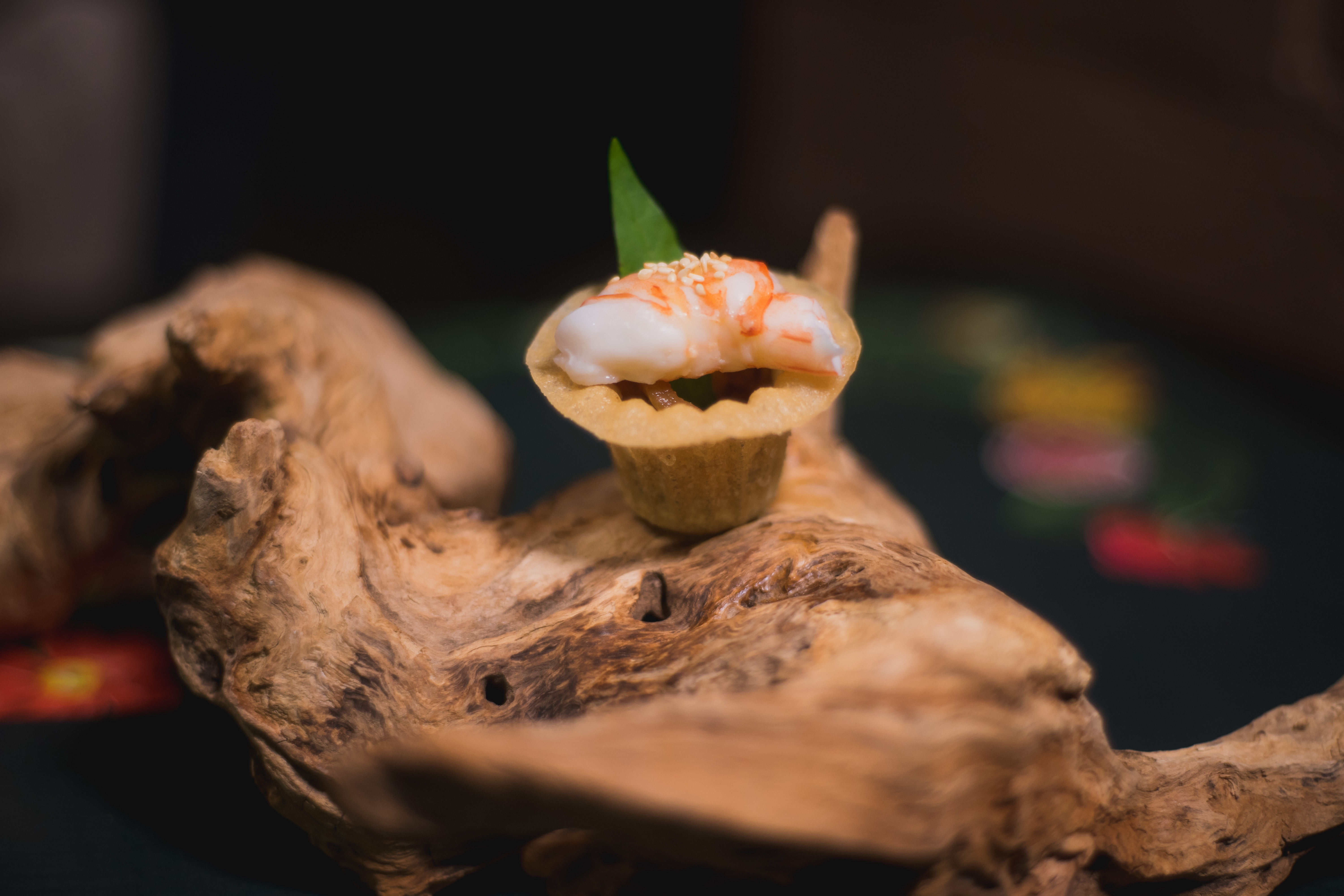
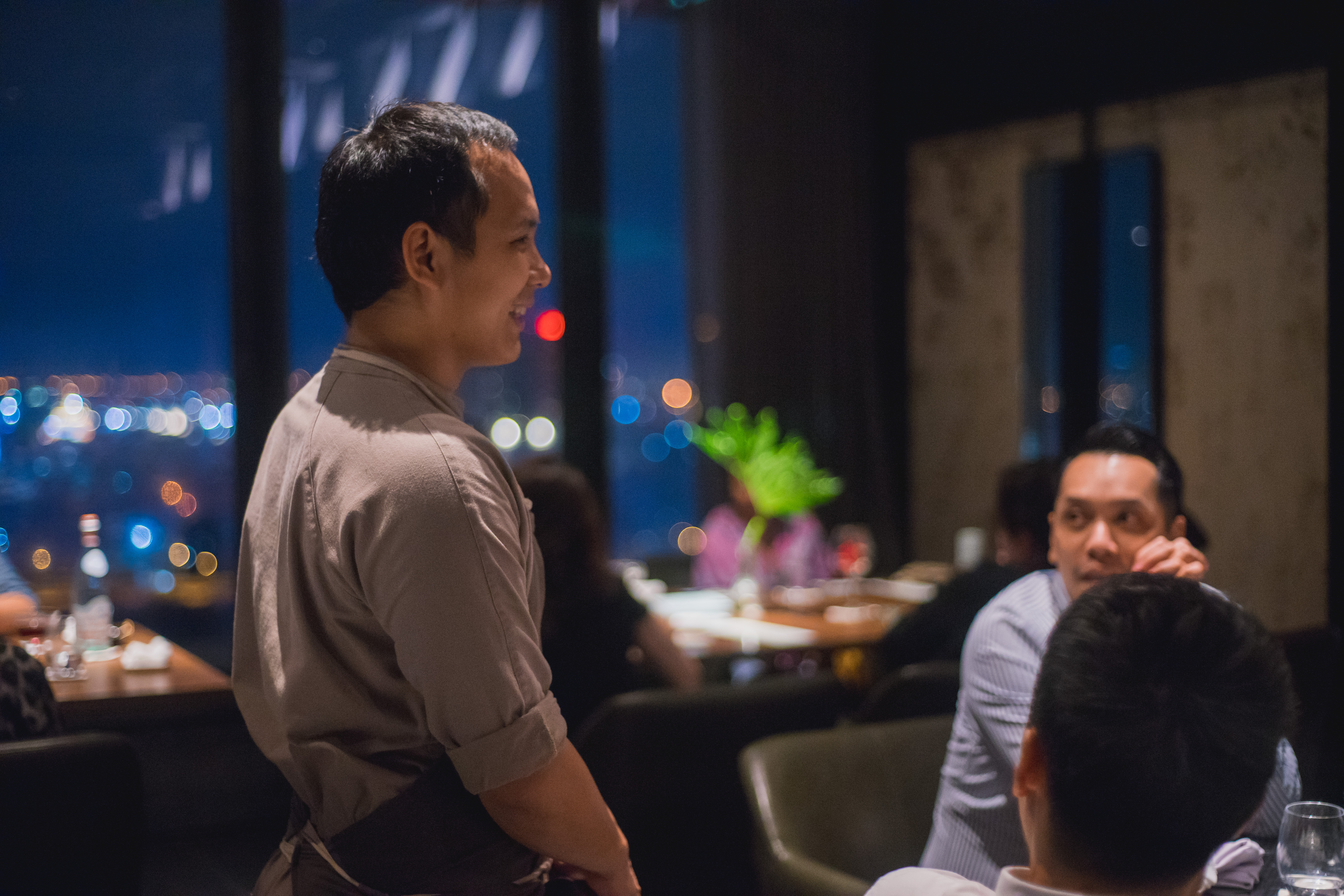
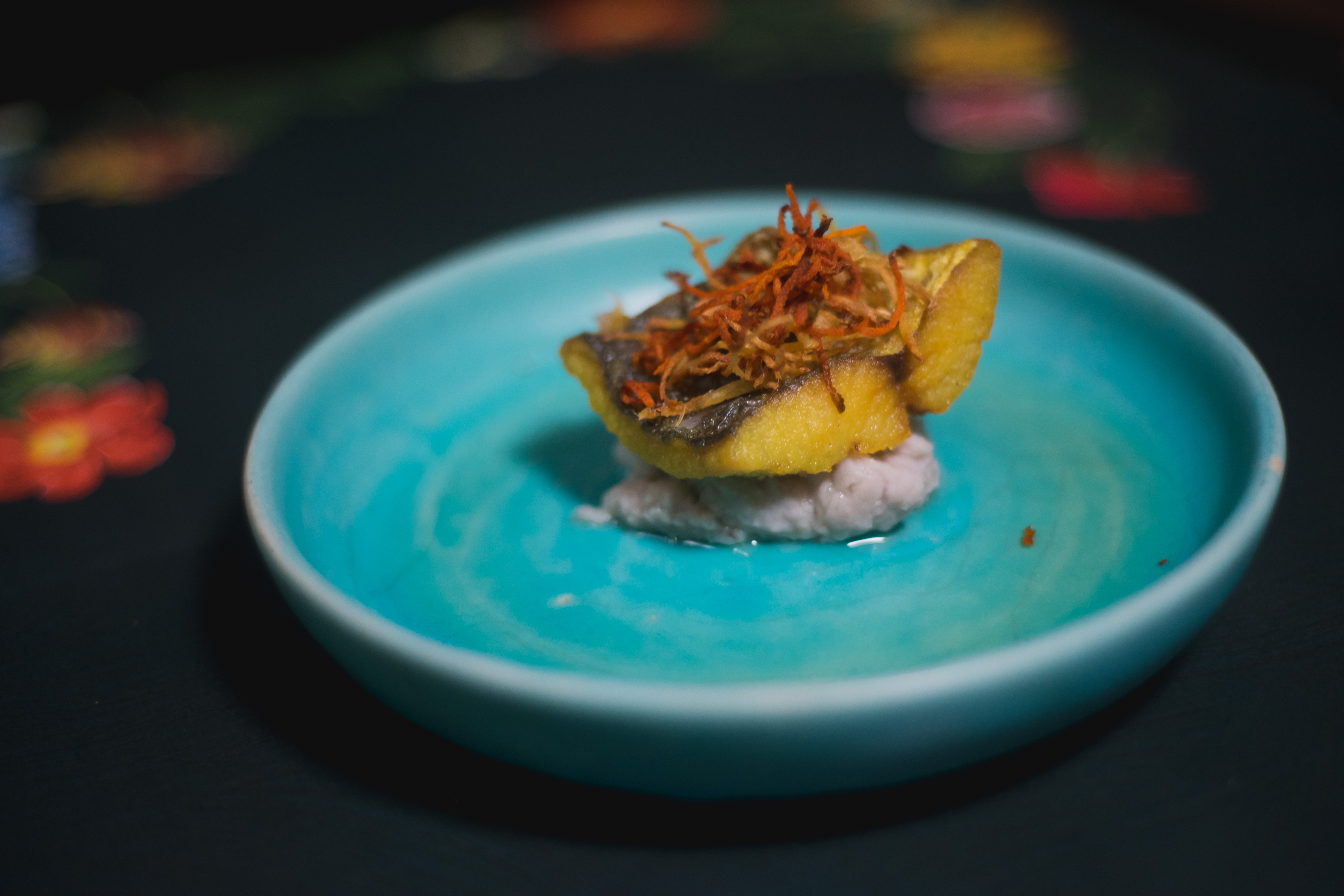
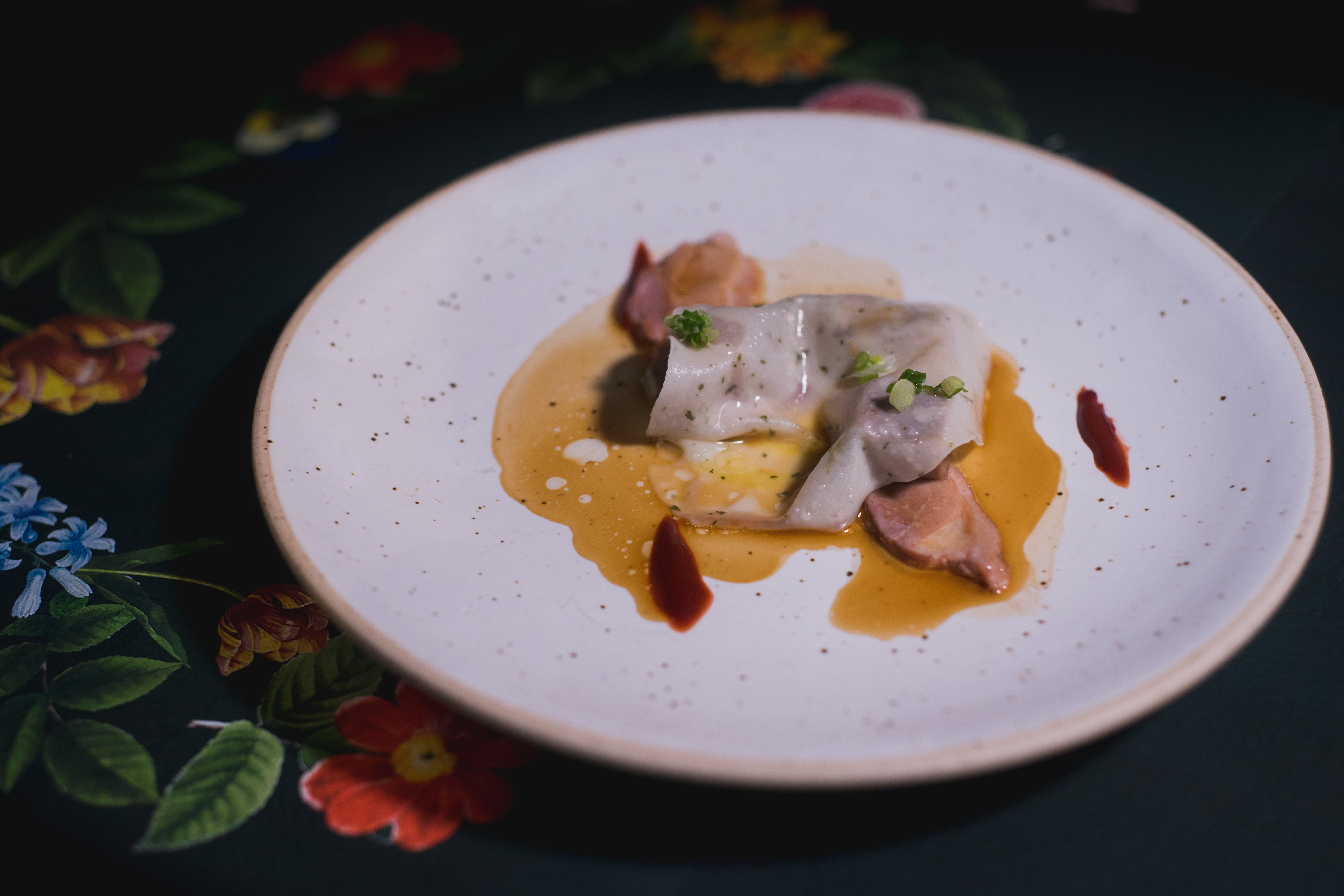
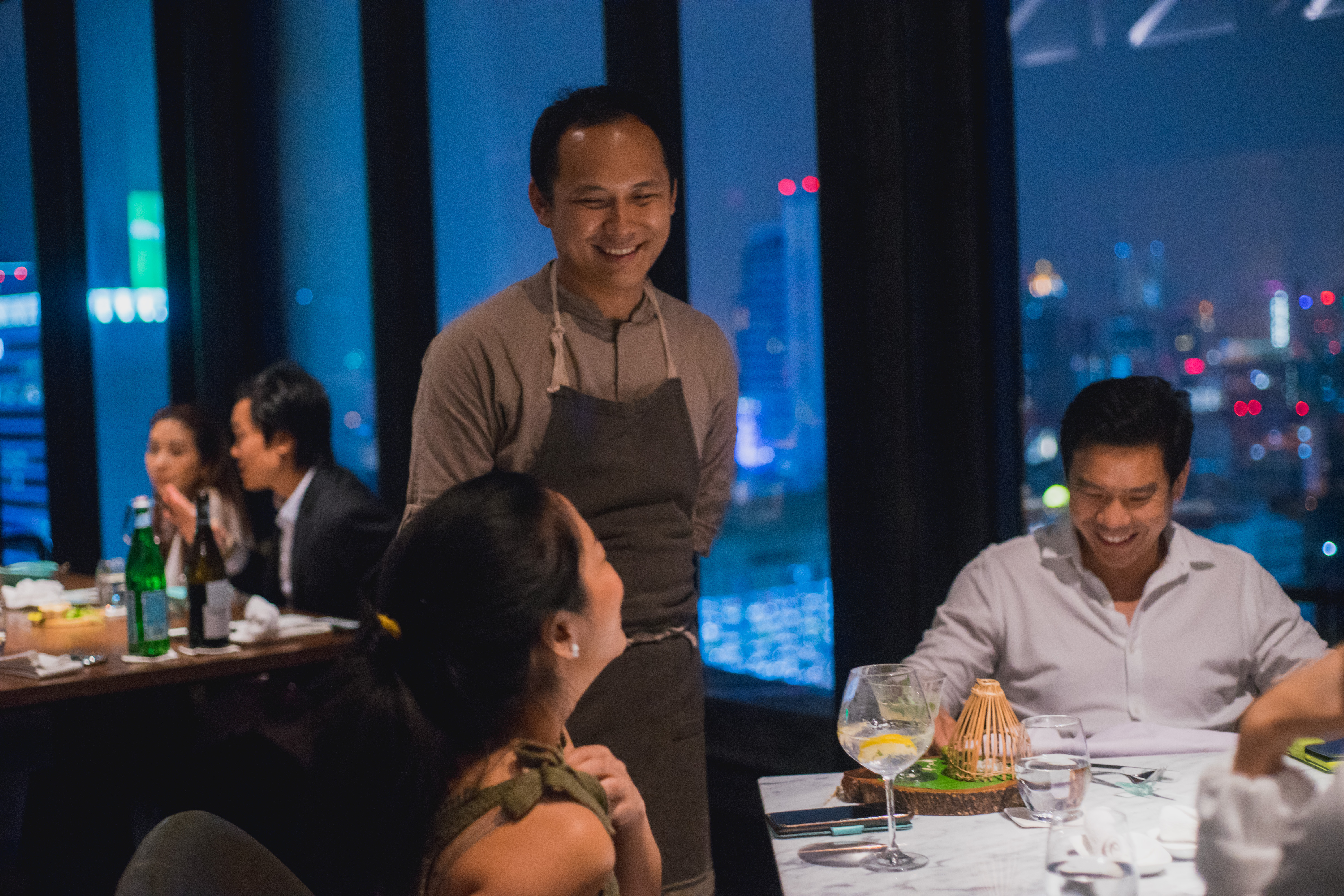
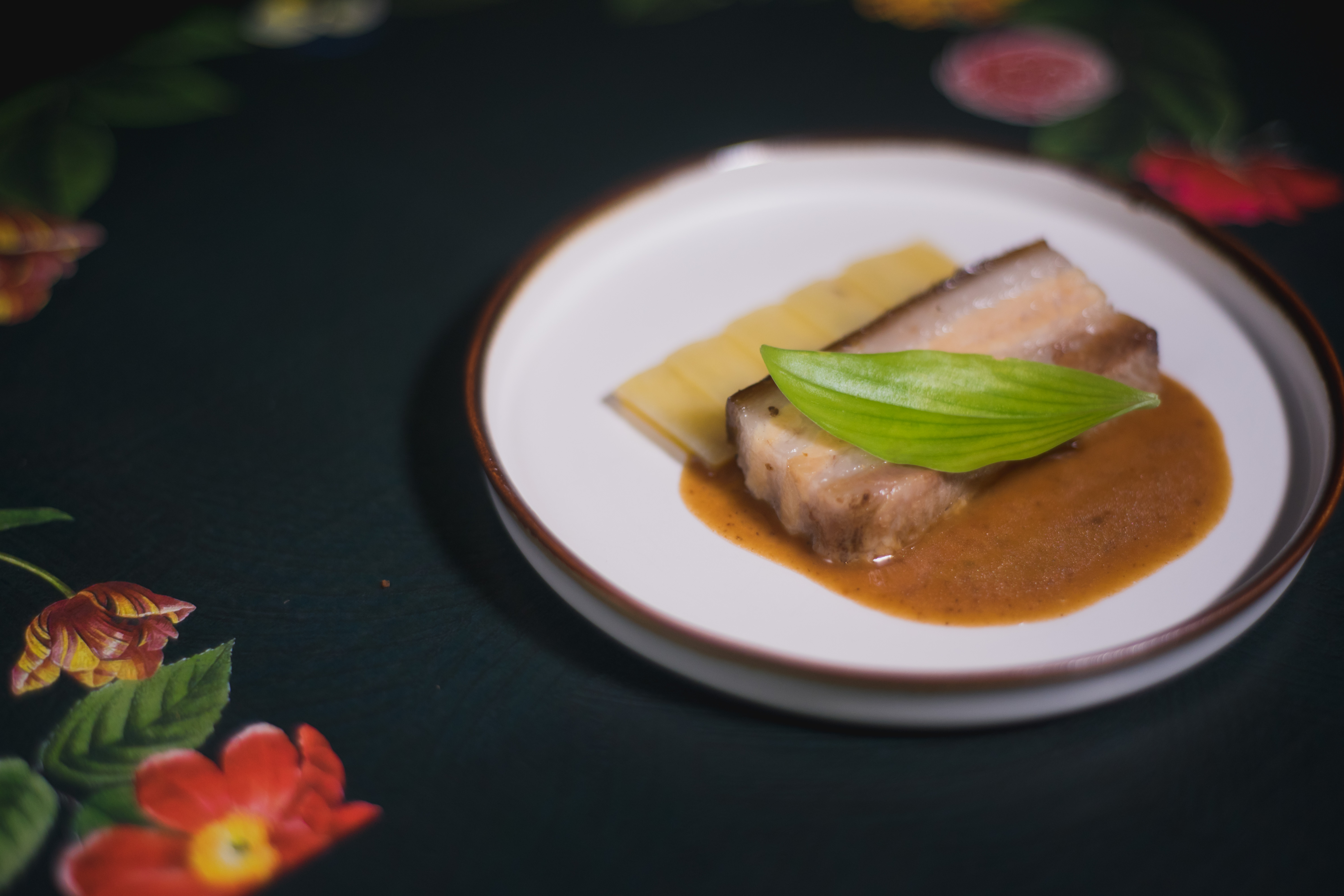
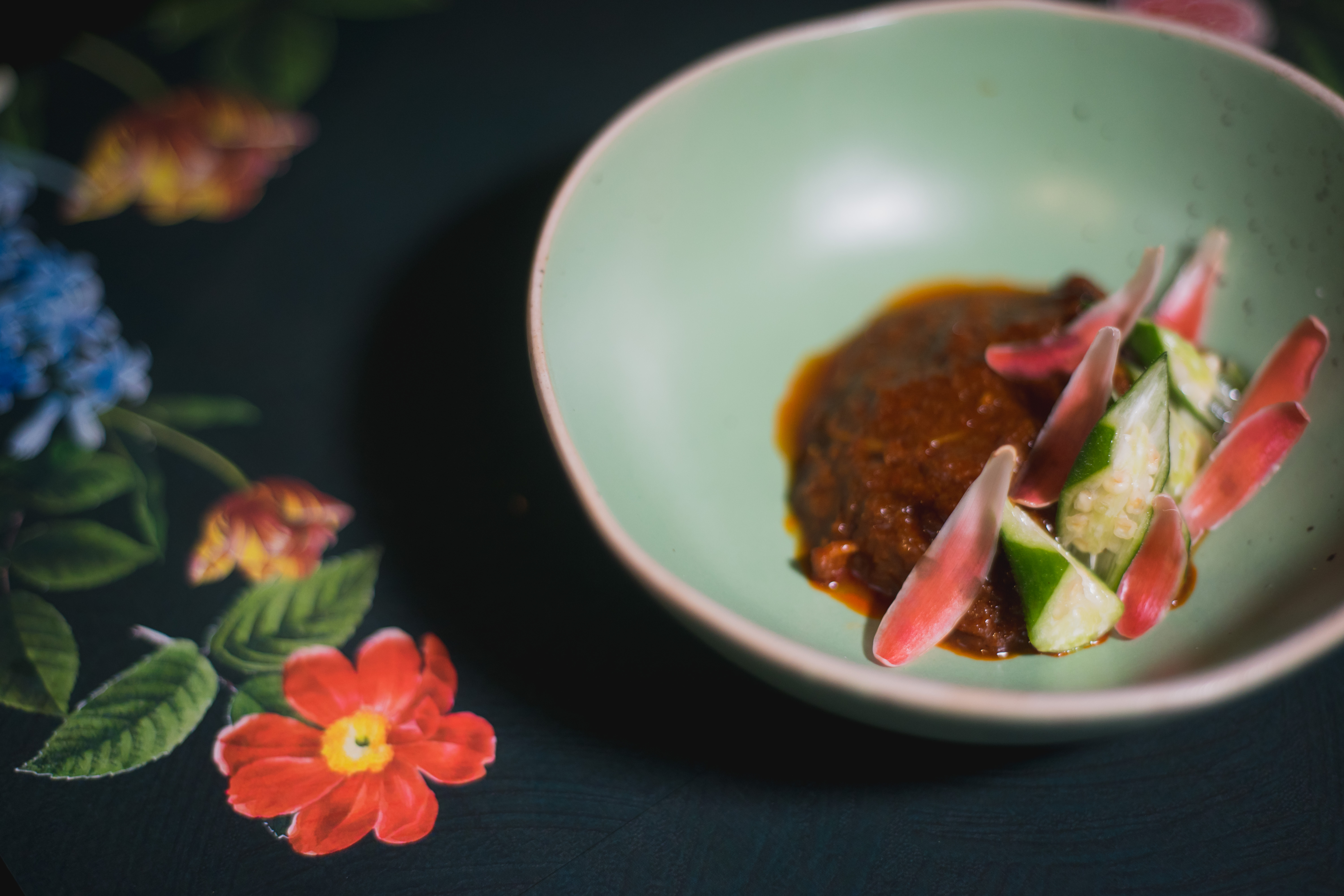
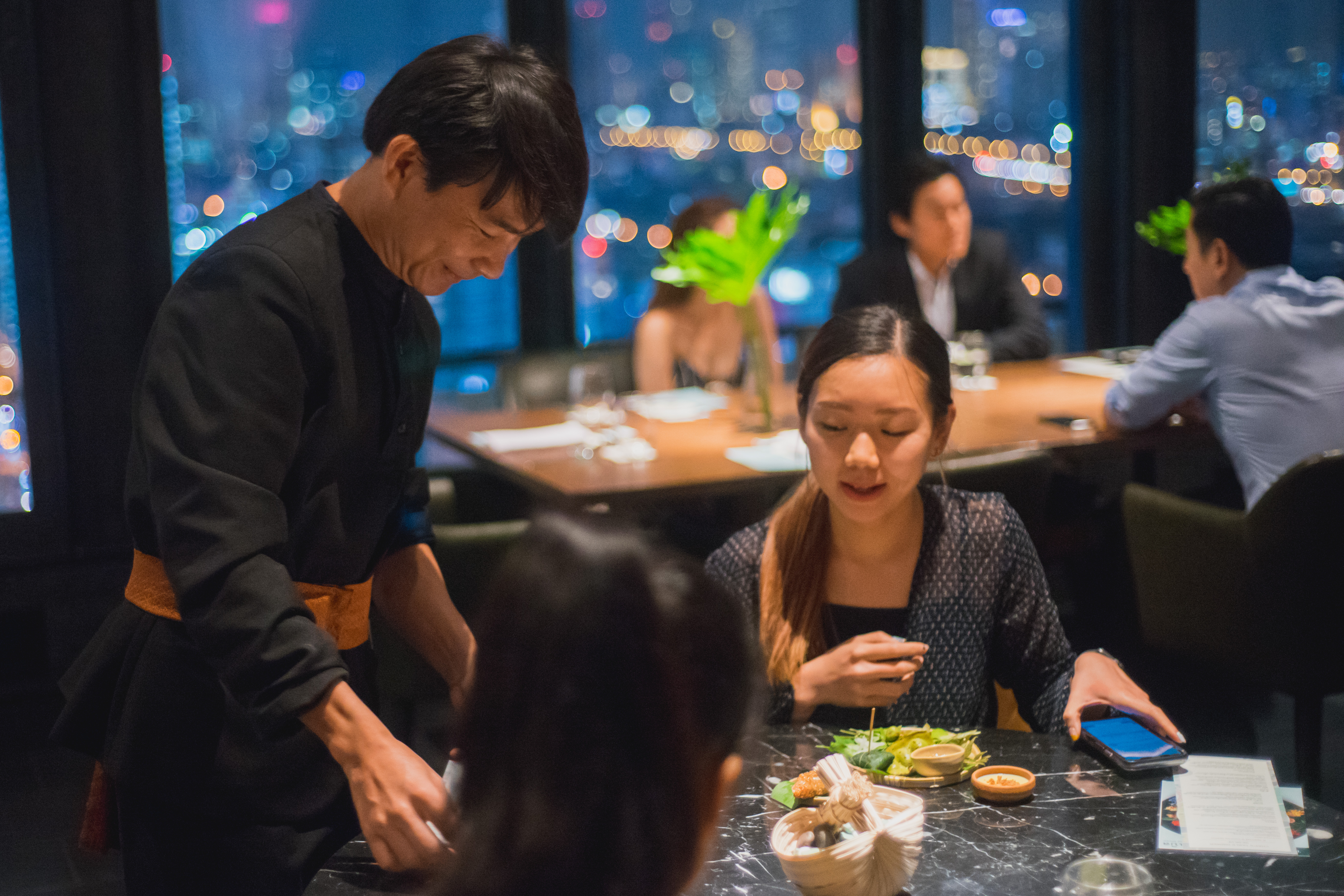
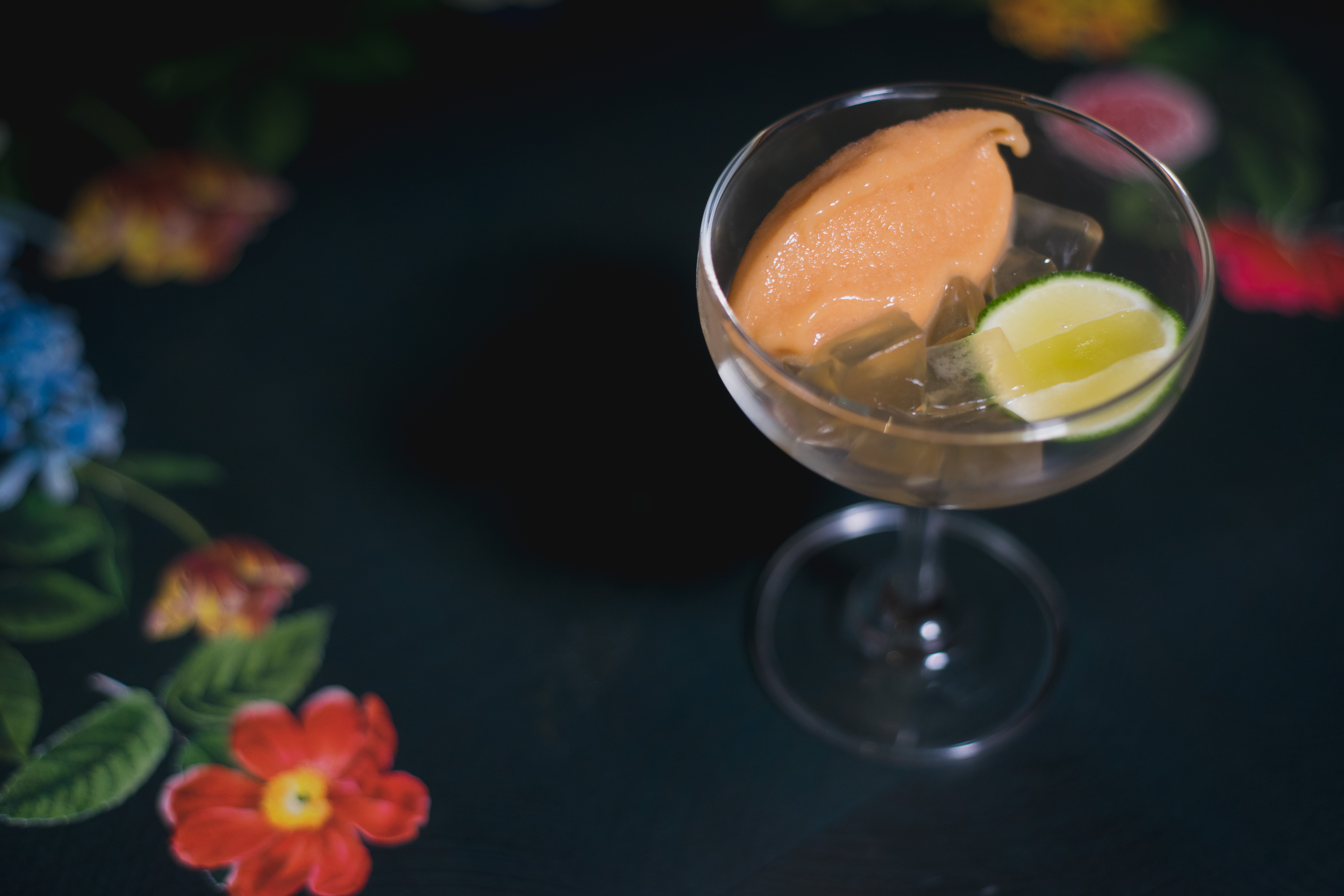
Across nine meticulous courses, Chef Aum and TAAN Executive Chef Monthep “Thep” Kamolsilp took diners on a true culinary journey back in time.
Chef Aum explained that Peranakan cuisine can be considered one of the world’s first “fusion” cuisines, thanks to its blend of traditional Chinese techniques with indigenous Malay and Thai spices and ingredients, as well as colonial Dutch, Portuguese and English flourishes.
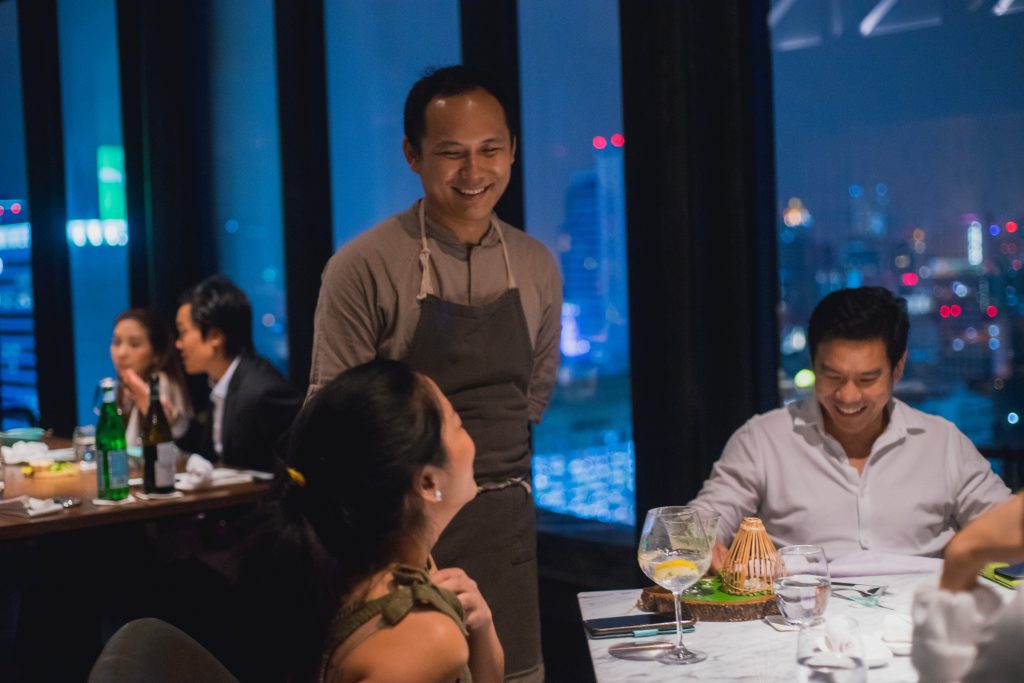
For centuries, the cuisine has been shaped by foreigners passing through Thailand, whether in search of wealth, trade opportunities or even asylum. Due to scarcity of specific ingredients, recipes morphed over time as cooks had to adapt and improvise.
When asked about her motivation for cooking Peranakan cuisine, Chef Aum surprised us by saying she didn’t actually like the food much at first. It wasn’t till after her parents passed away and she started missing her mother’s cooking that she took a great interest in the cuisine.
“Cooking is my way of reconnecting with [my parents]. it’s like a time machine, it lifts my spirit,” she said. “It’s also important that I help preserve this cuisine, as I fear no one else will.”
She would visit elderly muslim neighbors to ask them about their lifelong memories of Peranakan cuisine. In the course of her research, she came to the realisation that a lot of the food commonly people consider Thai actually have Peranakan origins.
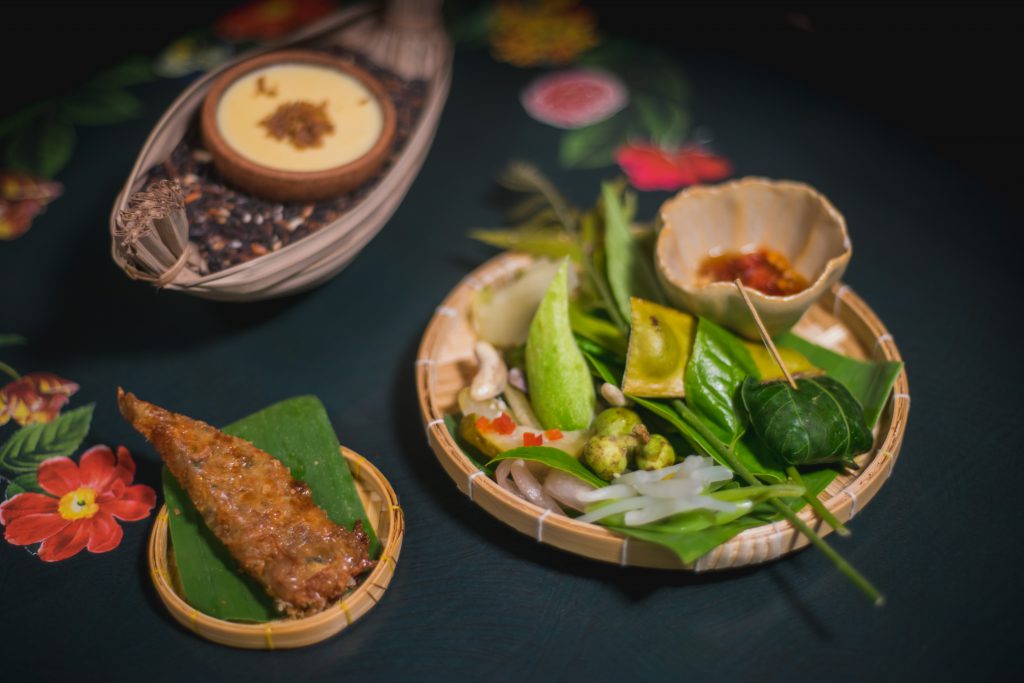
Chef Aum also explained that the recipes are a matter of taste and customisation is not out of the question. “It is important to use the ingredients correctly; you can’t just measure them, you have to taste it as well. For example, lemongrass gathered in summer will give more heat than one gathered in winter, and the same applies to turmeric and
other ingredients. You have to really rely on your taste buds.”
Today Chef Aum faces the challenge of taking Peranakan food to the masses, which she likens to trying to get people’s attention in a loud market. She also wants to spread the word about healthy eating habits.
“Respecting the ingredients we use and knowing what we’re consuming are very important. Back in the day, when there were no chemical treatments for sickness, we ate herbs, we drank natural medicines, we chewed on tree’s roots gathered from what was available around us. I believe that if we know what to look for, sometimes we don’t need to rely on chemical treatments. For example, eating certain herbs on a continual basis can help cure some allergies.”
Ultimately, Peranakan food is not about simply recreating historical recipes. “Even though you have to respect the ingredients, that doesn’t mean you can’t seek assistance from modern technology. Thai food has been a fusion food for as long as we have had international contact. So perhaps we don’t need to take the concept of correctness so seriously. What’s more important is to understand the delicacy of Peranakan food; studying it deeply so that you know the rules well enough to be able to break them like an artist.”
Stay tuned for more delicious and educational installments of TAAN’s Chef’s Table series.