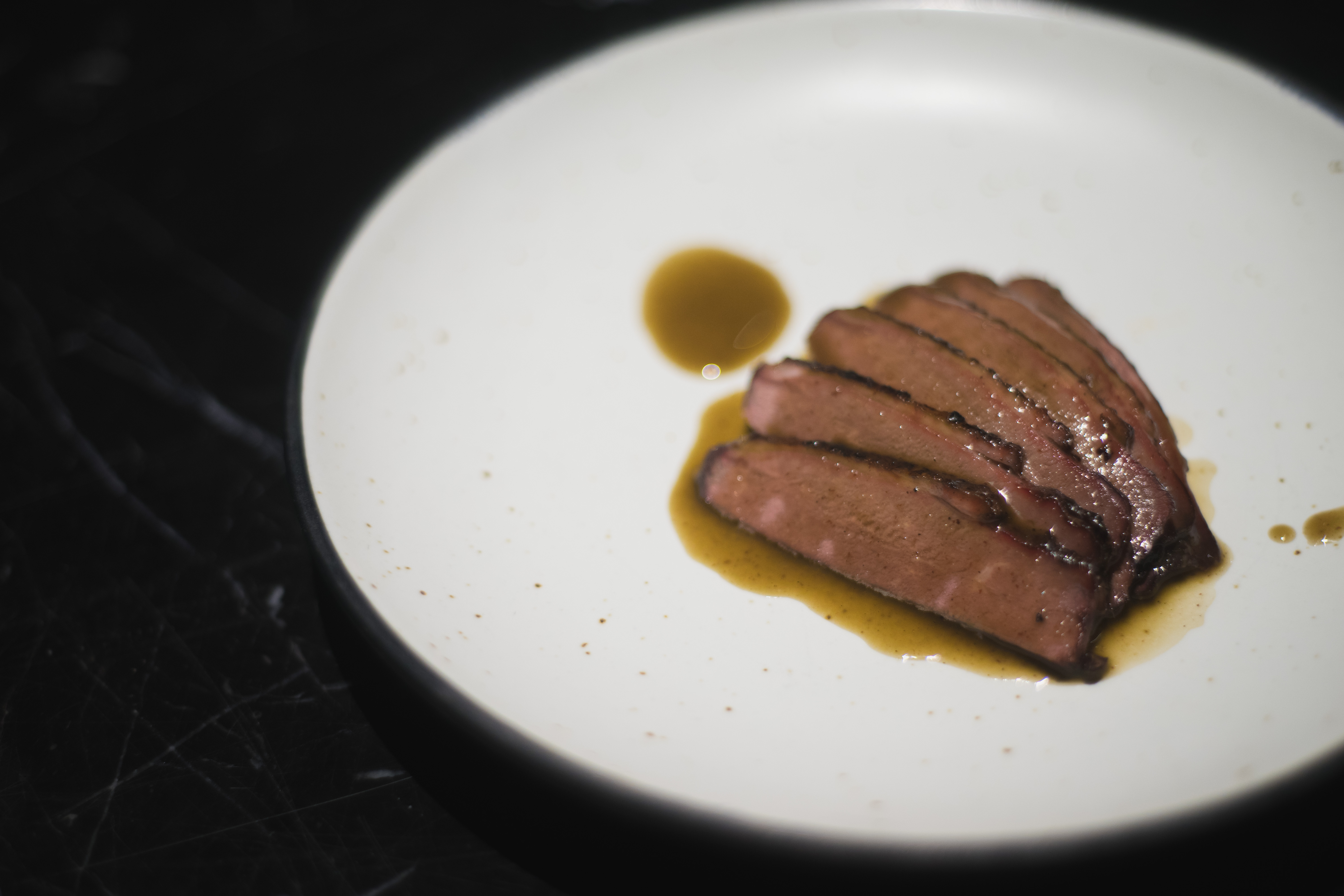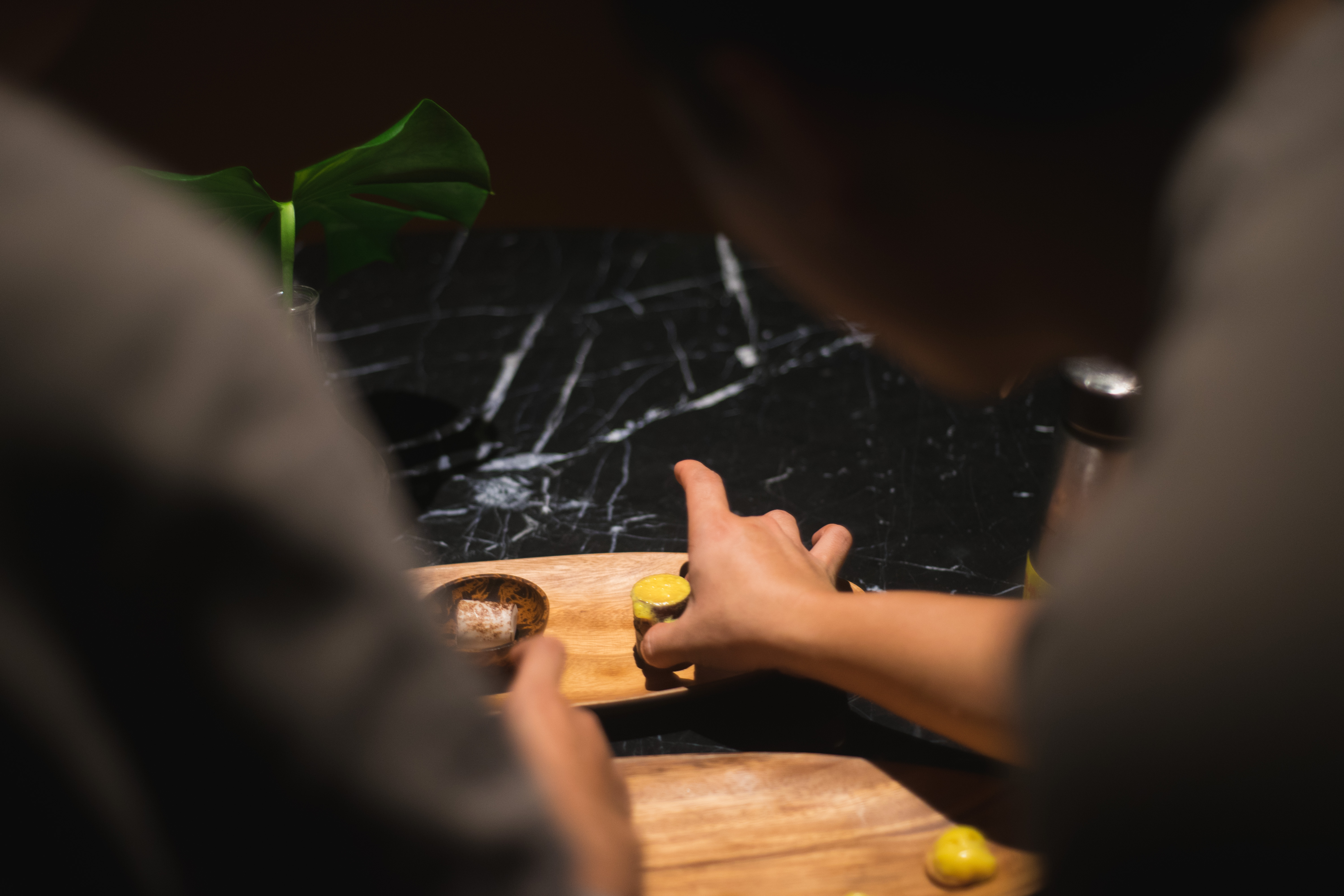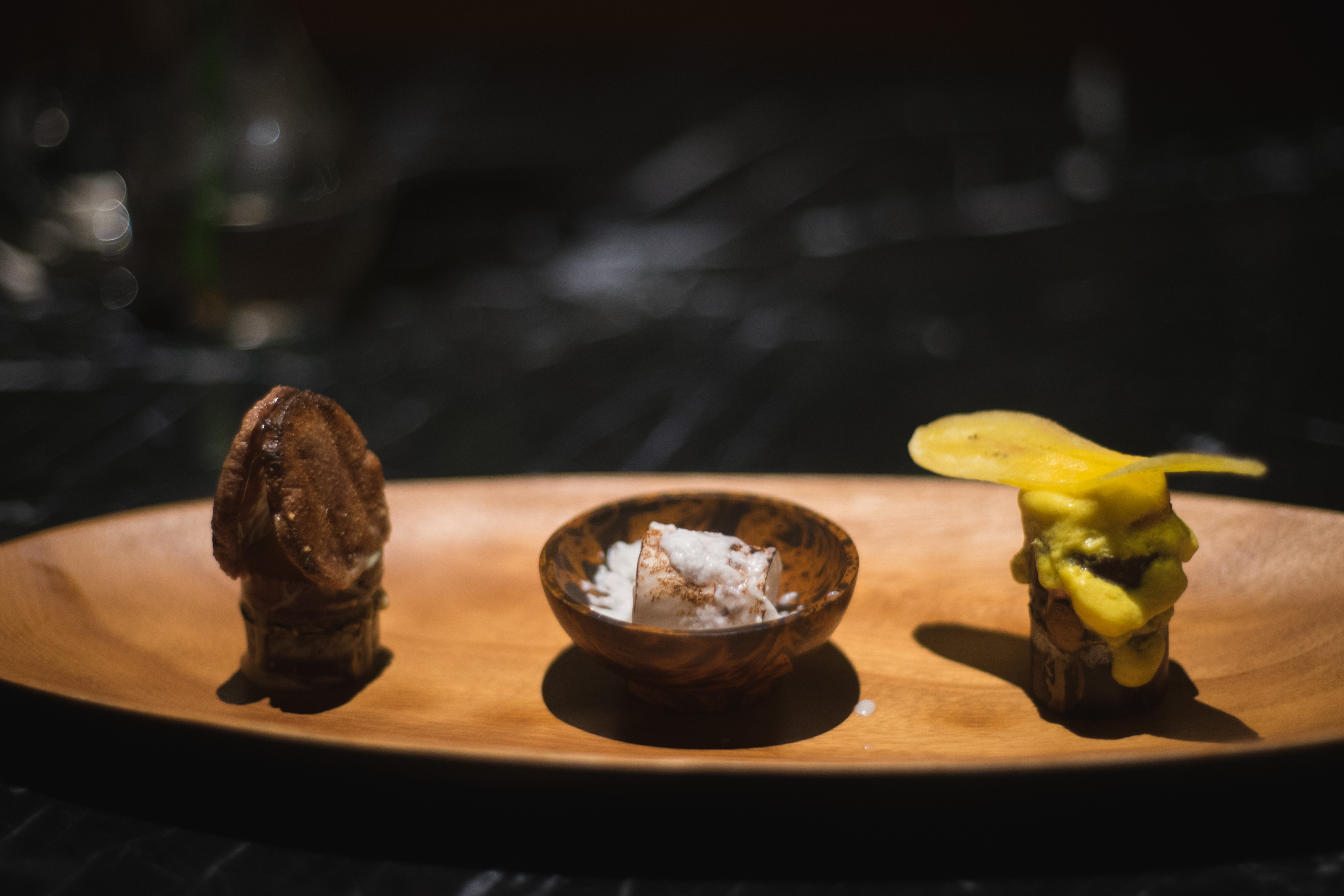
Farmer’s talk dinner #4: from snout to tail
Examines the Pork Industry from Snout to Tail
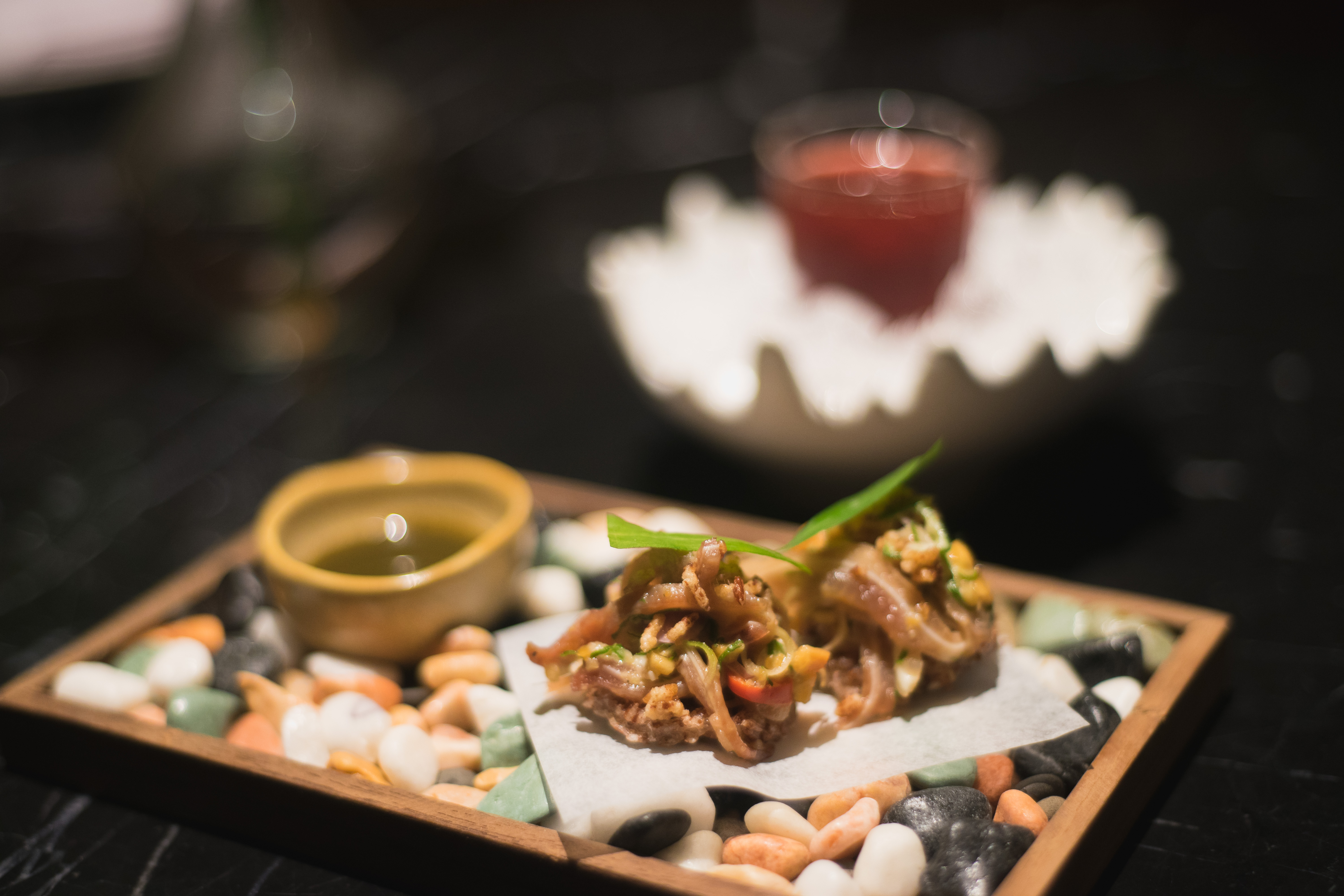
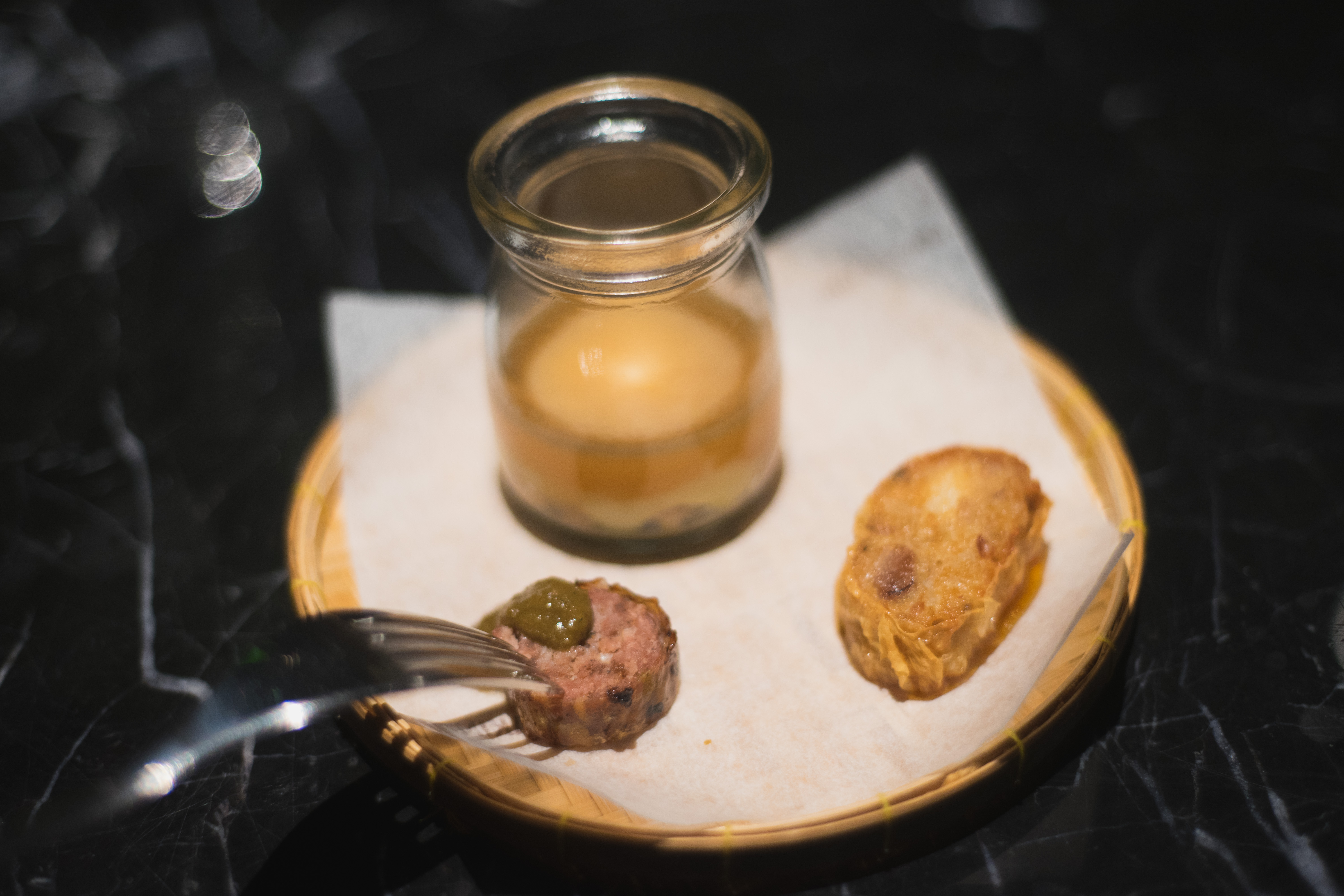
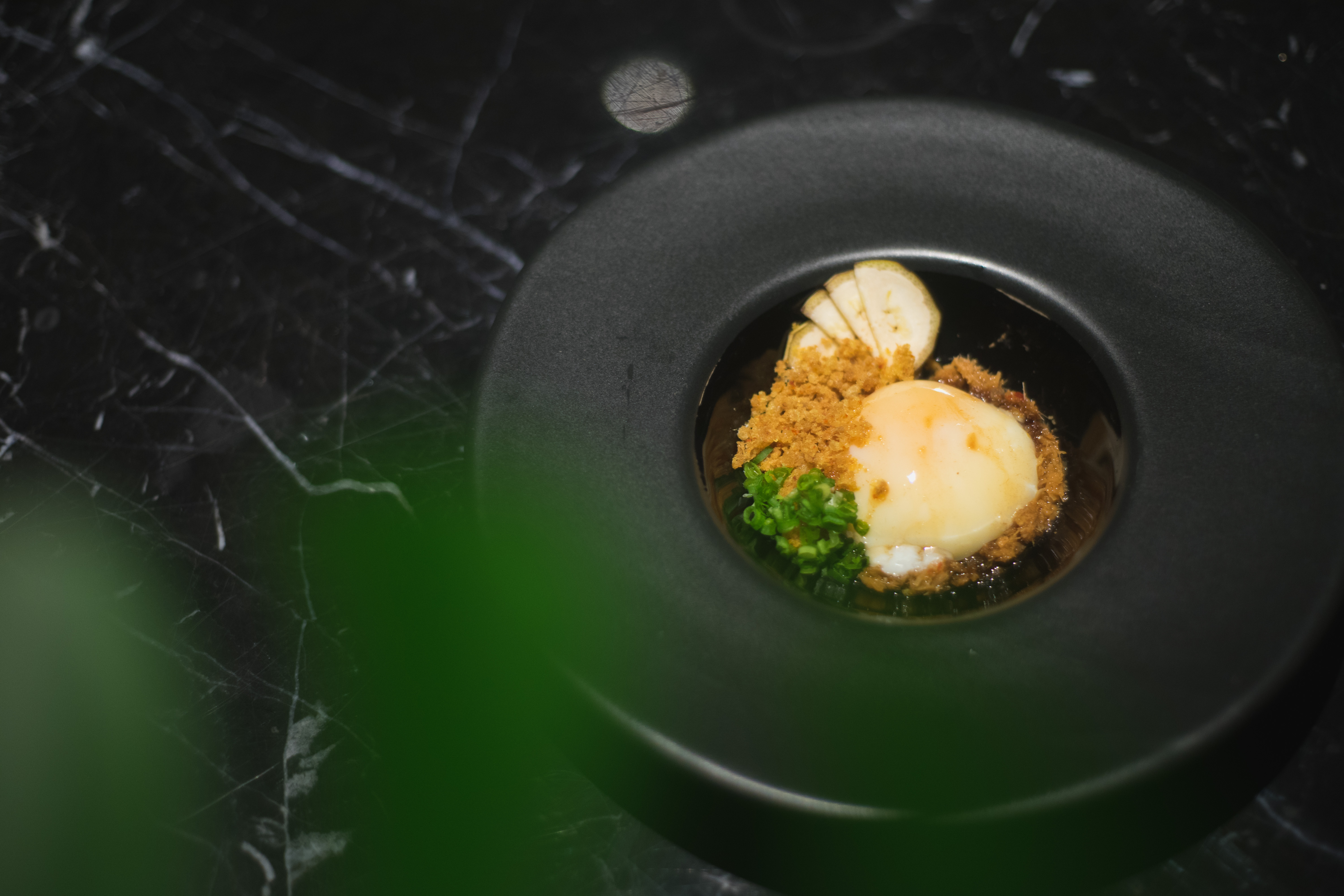
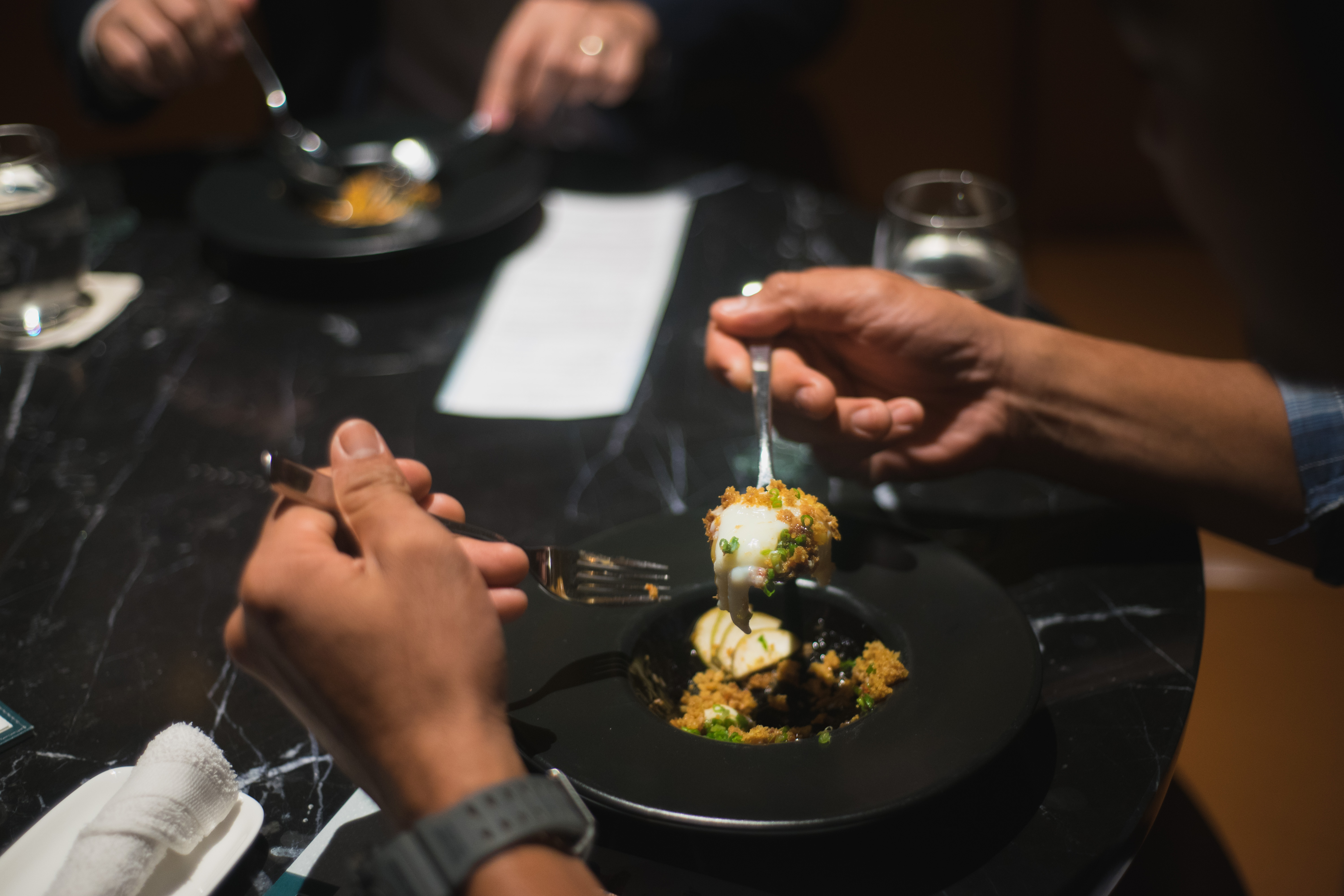
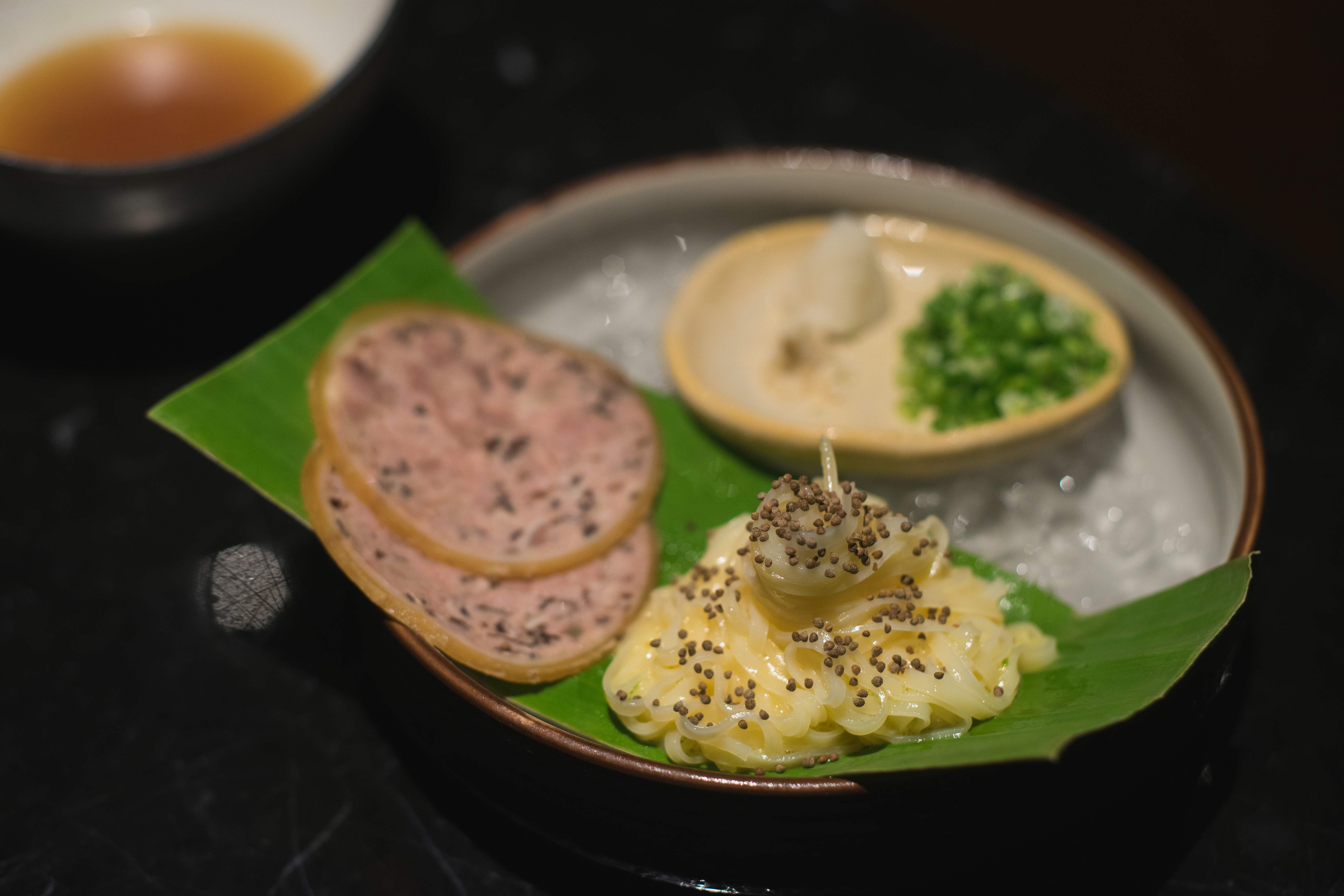
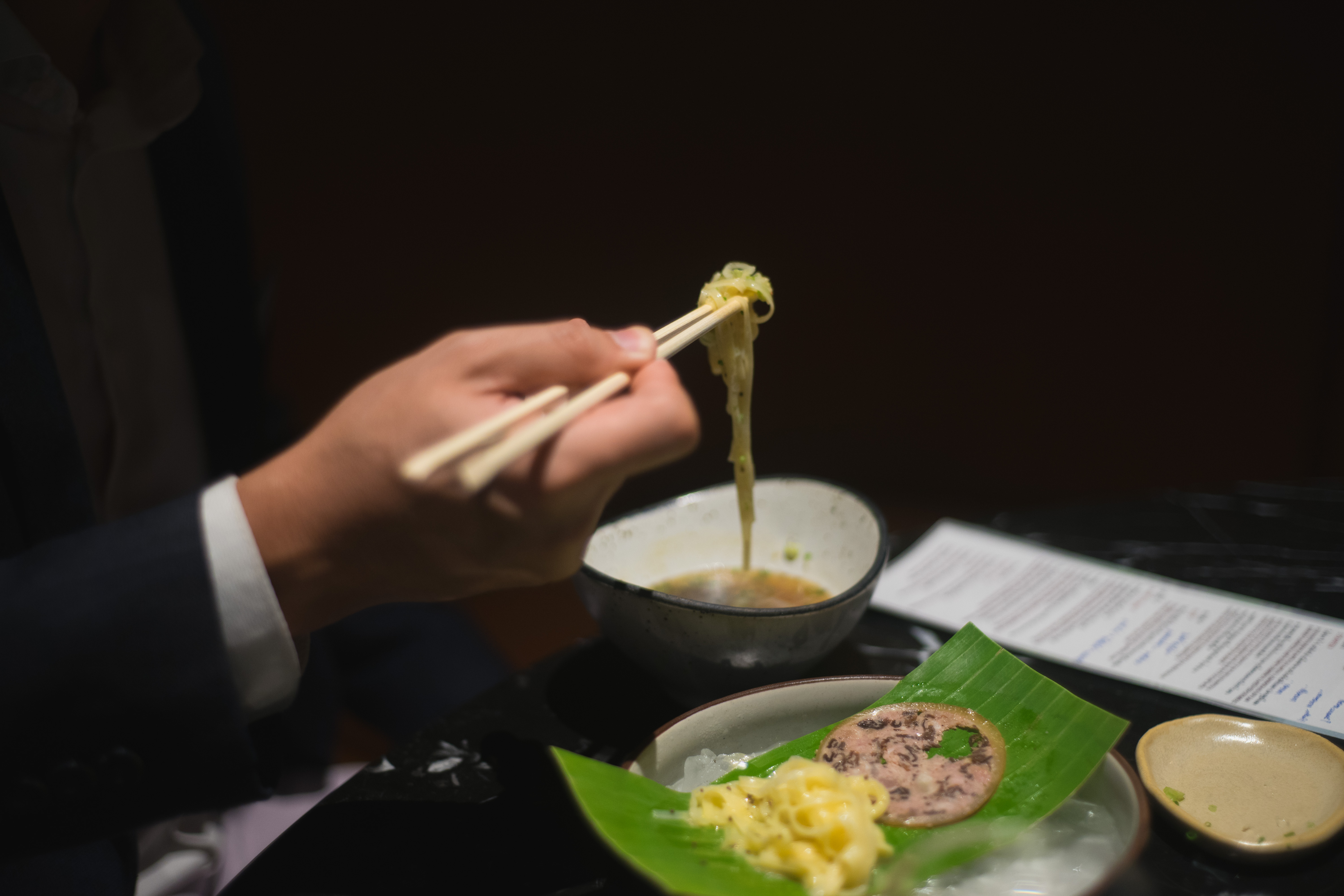
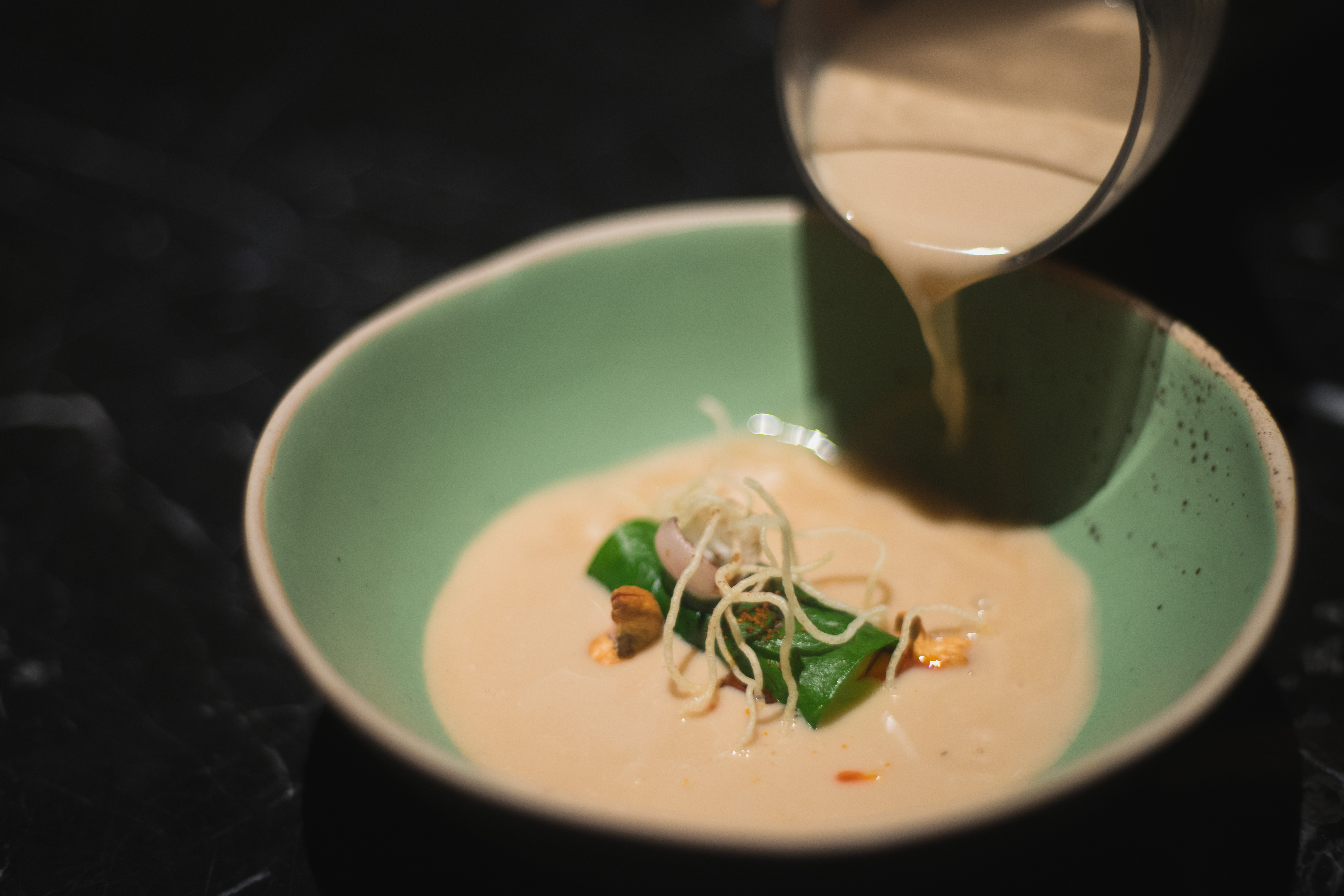
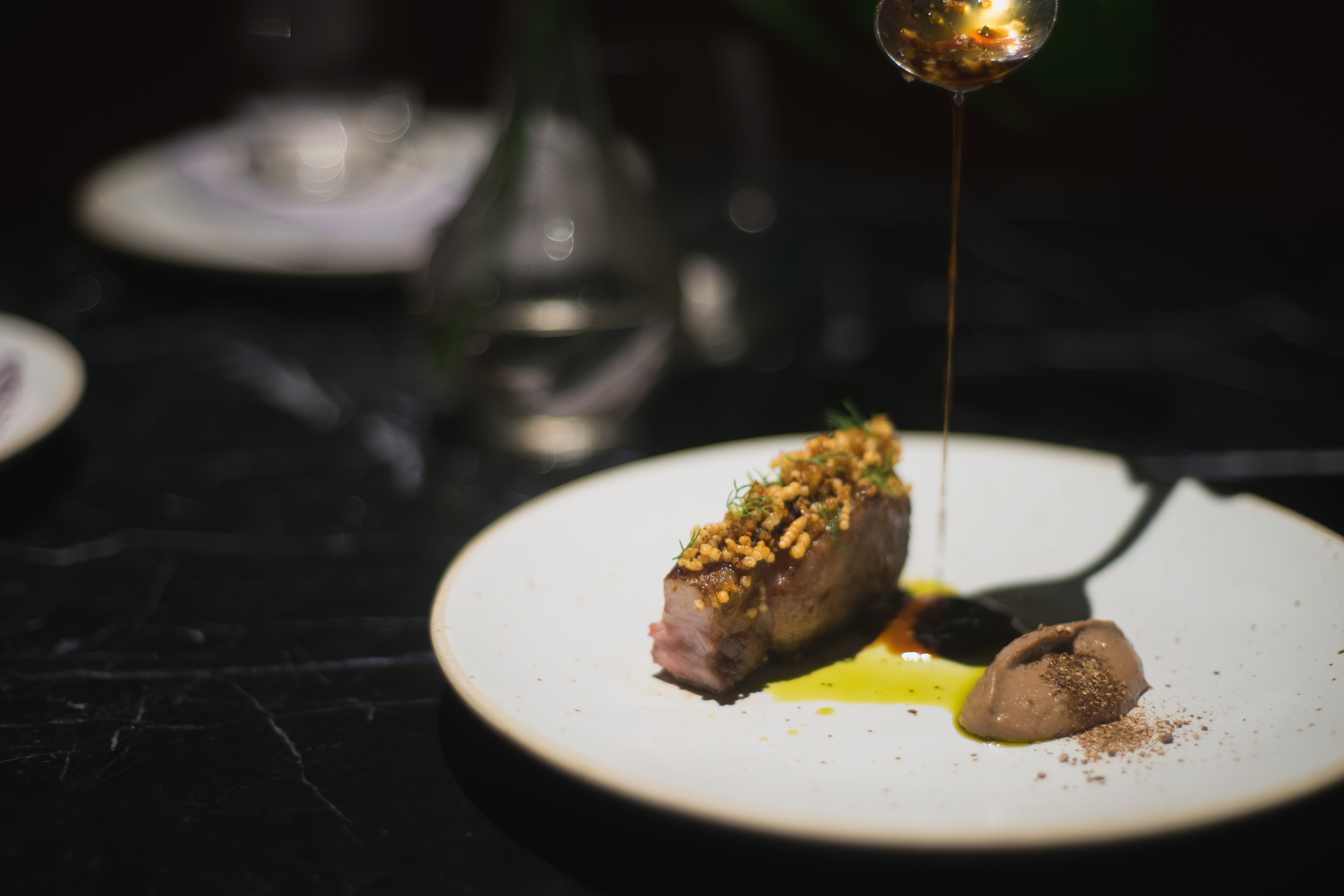
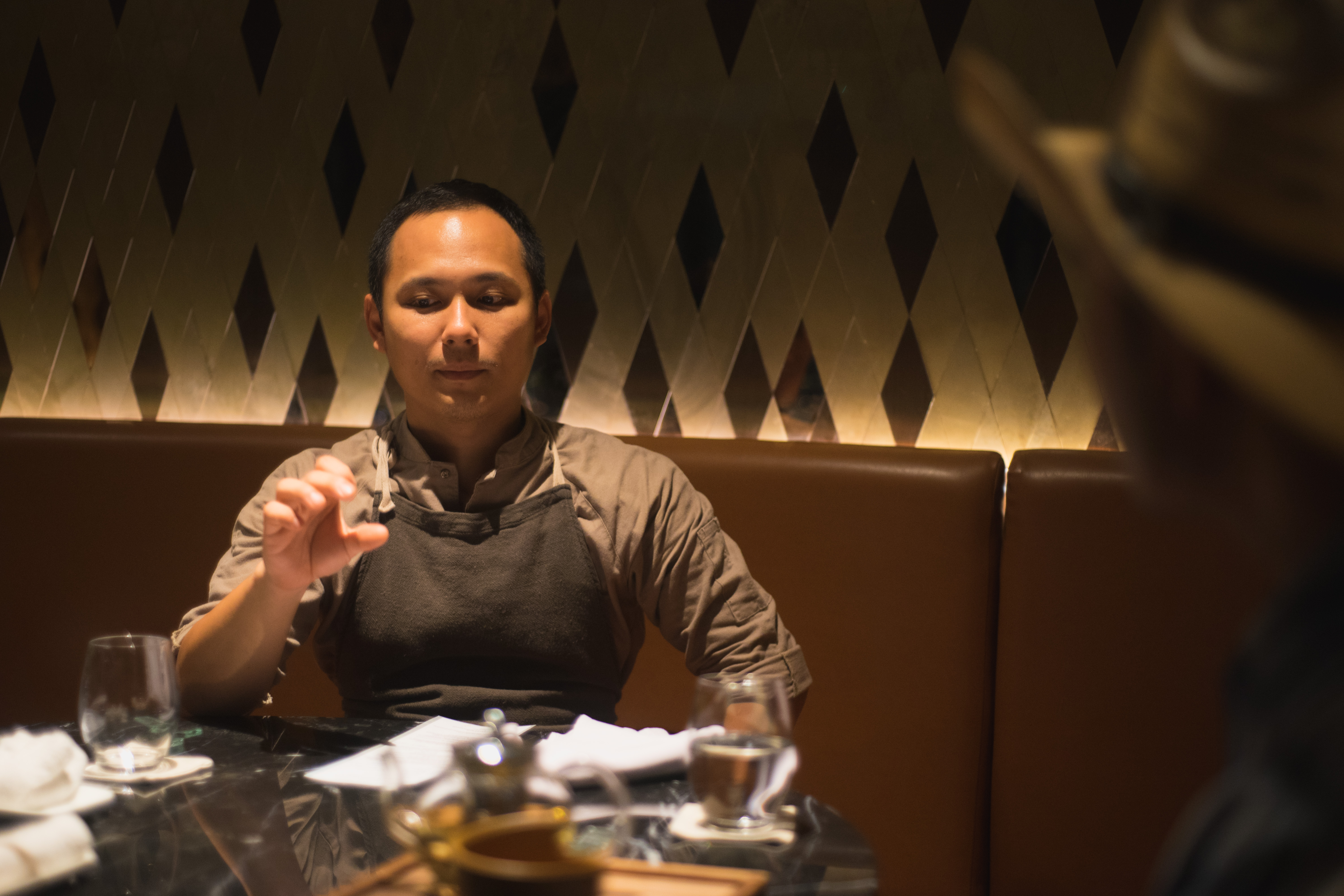
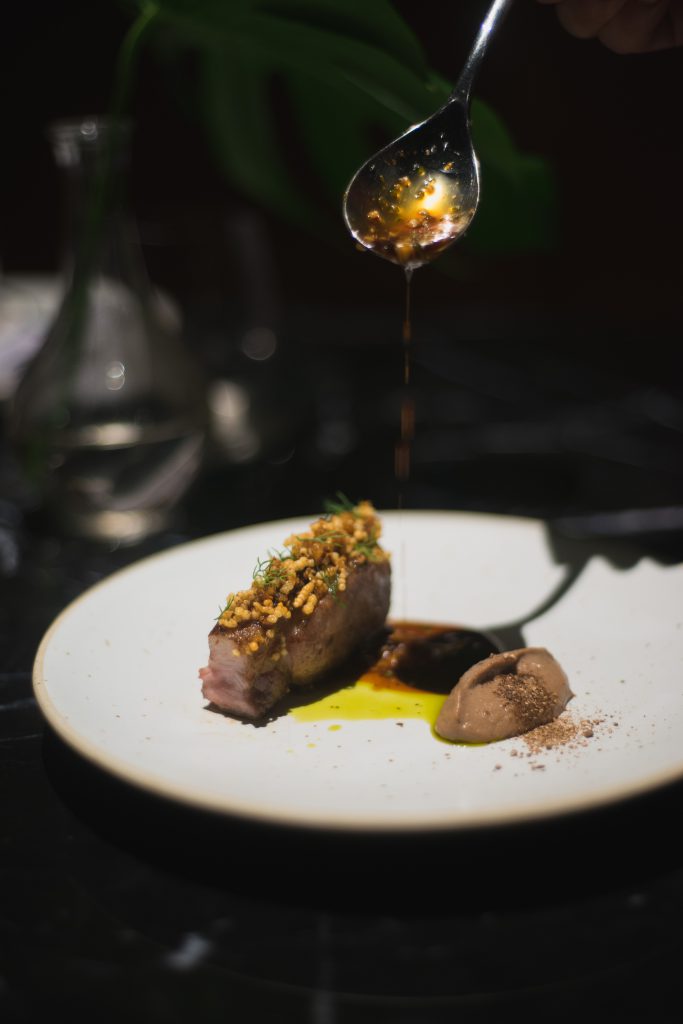
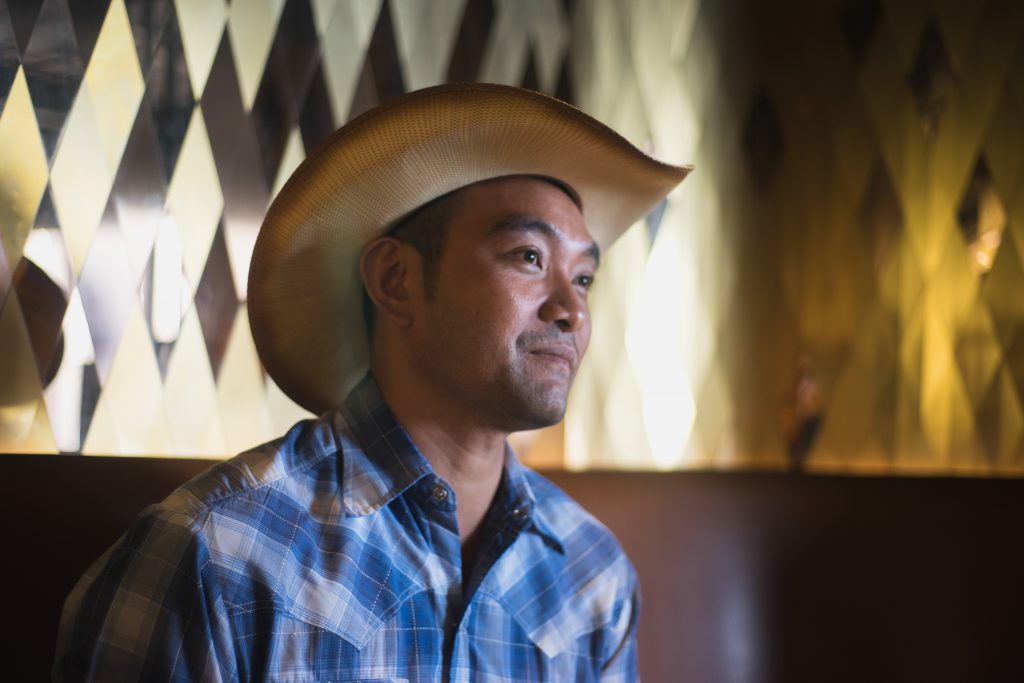 The fourth installment of TAAN’s Farmer’s Talk dinner series in May welcomed Khun Wanit “Few” Wanthavee, the owner of Khon Kaen’s Thawee Farm, which happens to be the restaurant’s main pork supplier. The event, titled “From Snout to Tail,” saw Khun Few share his knowledge of biodynamic farming while TAAN Executive Chef Monthep Kamonsilp prepared a delicious pork-centric meal.
Having previously worked as a hygiene and medical advisor for numerous companies in the livestock industry, Khun Few was able to shed light on some disturbing aspects of the pork industry. For example, he explained the common practice when it comes to disease decontamination: if any of the livestock show a sign of contagious disease, the only solution to prevent it spreading is to dispose of the entire sty and start over again. To lower the risk of this happening, most businesses administer chemical vaccinations to their livestock–but this measure has undeniable consequences for the customer down the line.
At the age of 28, Khun Few realised that the only viable solution to eliminating unwanted industrial metals and chemicals in the pork we consume would be to fully embrace organic farming practices. This was seen as a complicated endeavour, however, due to the vicious cycle of using chemicals and drugs to control diseases in swine. Although his confidence was high, the process would prove anything but easy.
When Khun Few first delved into organic farming, he found his livestock decimated by disease and weakened immune systems. “I’m talking about every hour,” he said. “My pigs were dying practically each and every hour. It was devastating; the darkest time of my life.”
The going got so bad that Khun Few considered resorting to chemical injections once again. However, he was determined that ultimately nature would be on his side. “I had nothing left to lose; I’d already lost 70 percent of my livestock. So I decided to let it go and see what would happen. Would everything die?” he recalled asking.
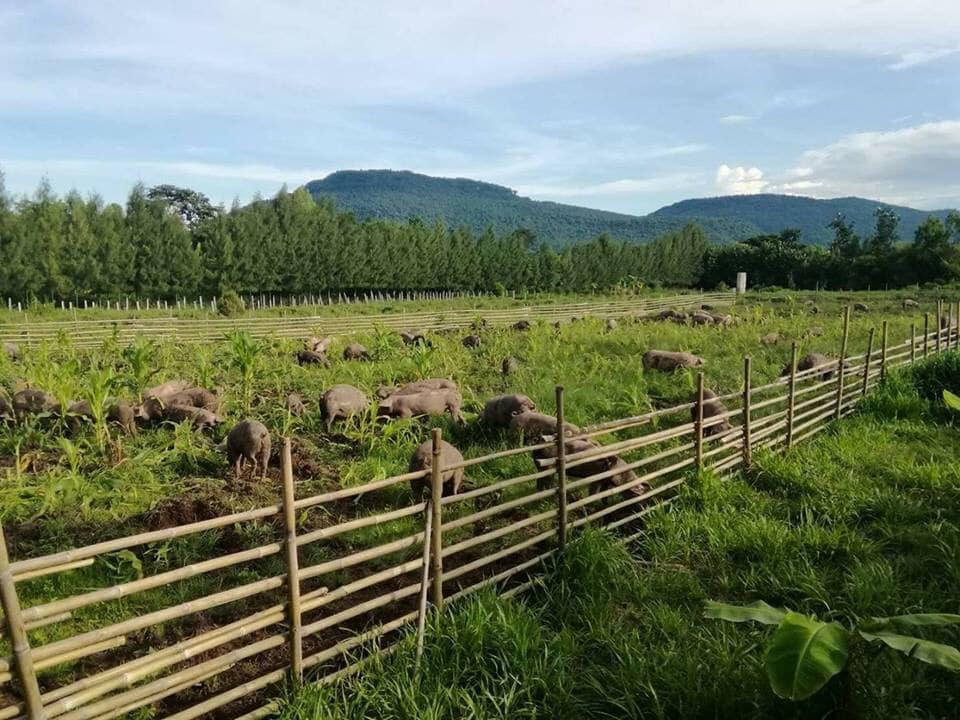
Miraculously, Khun Few’s leap of faith was rewarded when the surviving pigs not only recovered their health but began to truly thrive. “I realised then that you can’t fight nature, it’s all a matter of natural selection. I let my pigs run, play, eat and live as living beings; they were no longer industrial objects.”
His spirits were raised even higher when he discovered this free-range lifestyle resulted in leaner, cleaner pork. In fact, the firm texture he discovered was unlike any pork he had ever tasted. Today, Khun Few proudly boasts that his pork is far healthier than that of farm-factory livestock companies.
One problem with raising awareness of the issue, he said, is that diners have been misled to believe that pork should be softer in texture. The truth, though, is there is no way that naturally-grown pork could have such texture unless it has been slaughtered prematurely. It takes a minimum of two years for a naturally-raised pig to be considered fully grown, yet factory farms are known to slaughter pigs as four months old. That’s because the livestock has been loaded with hormones in order to produce a full-sized animal in a disturbingly short amount of time.
There are grave consequences for such unethical practices, Khun Few explained. “Those chemicals and hormones works in much the same way as plastic, their half-life is long. The ill-effects won’t leave your body anytime soon. To make matters more concerning, these animals are raised in a cramped and depressing sty. Stressed, agitated animals are known to release a toxic chemical into its muscles that’s harmful to humans.”

While nowadays Khun Few is rightly praised for his successful rearing of organic-turned-biodynamic livestock, the farmer himself argues his actions should simply be the norm. As our health is largely determined by what we eat, he would like to inspire others to follow his trail.
Only after other Thai farmers adopt a holistic approach to livestock rearing will the cost of so-called “luxury” products reduce to the point where they are affordable to everyone. For now, though, sourcing organic or biodynamic pork on the market remains quite tricky.
“It’s hard to spot the difference between organic and farm-factory pork if you’ve never tried organic before. The safest bet is to look for where the meat is sourced from, which should be included on the plastic seal. If not, you should be able to detect a chemical odor in farm-factory pork,” Khun Few told diners.
TAAN is proud to support Thailand’s independent, ethical food suppliers. Stay tuned for more inspiring stories when our Farmer’s Talk series returns soon.