A Night of Thai Beef and Farmer’s Wisdom at TAAN Bangkok
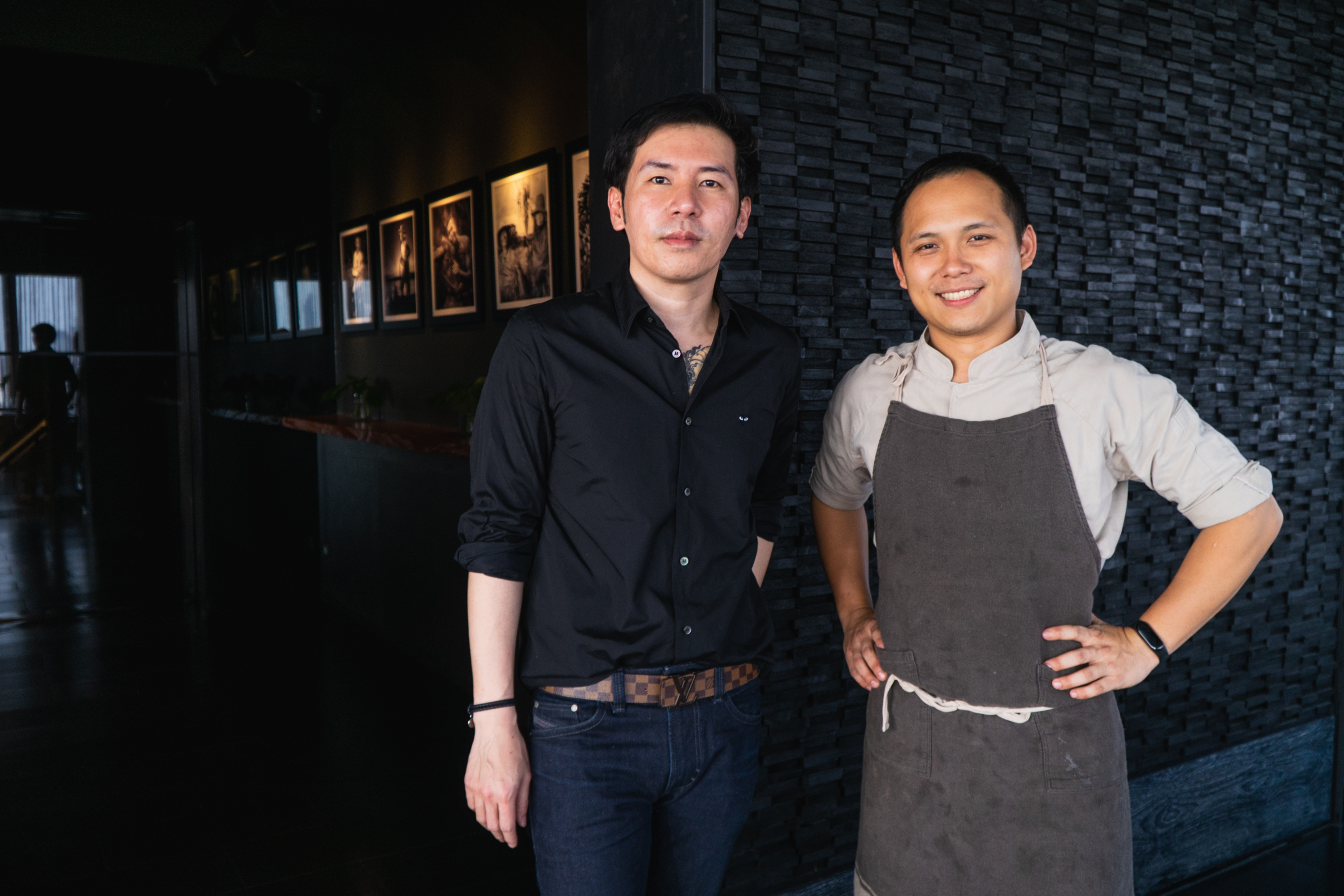
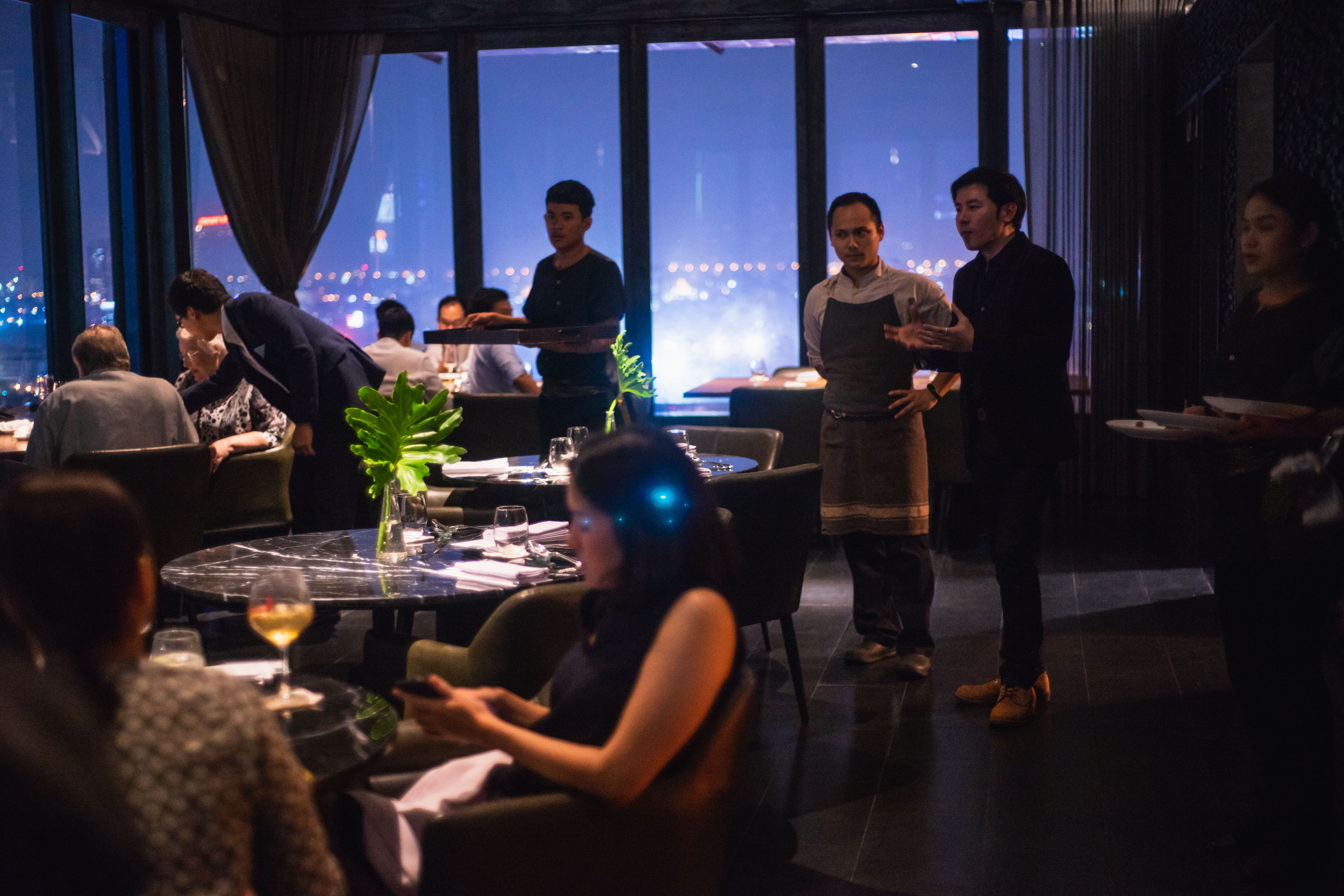
In March, TAAN had the honour of welcoming Khun Natthakorn “Por” Suwannatada for the third installment of the restaurant’s Farmer’s Talk Dinner, titled “Where’s the Beef?” Khun Por is the founder of Cows & The Boy, a Suphanburi-based farm known for its delicious beef and ethical treatment of livestock.
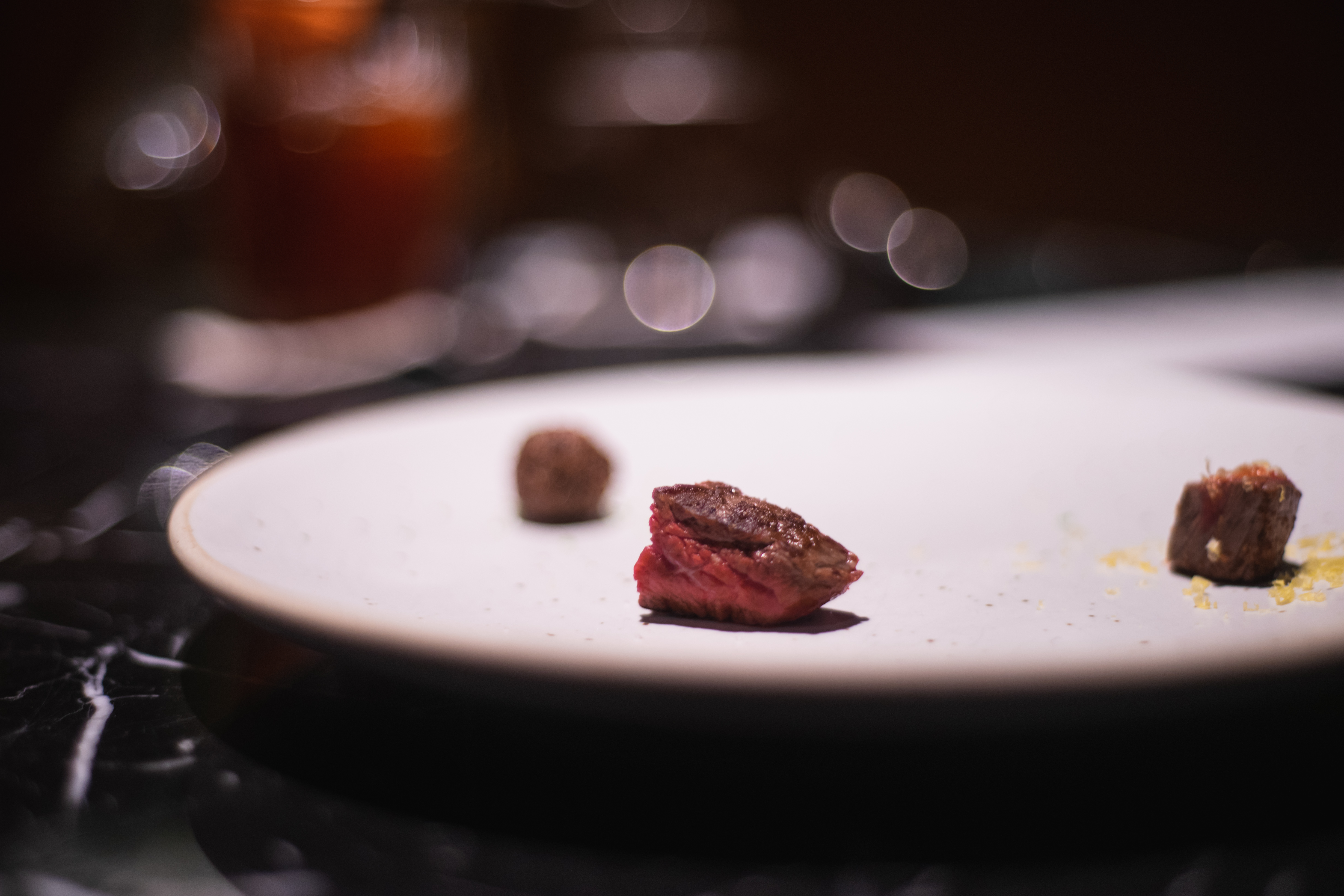
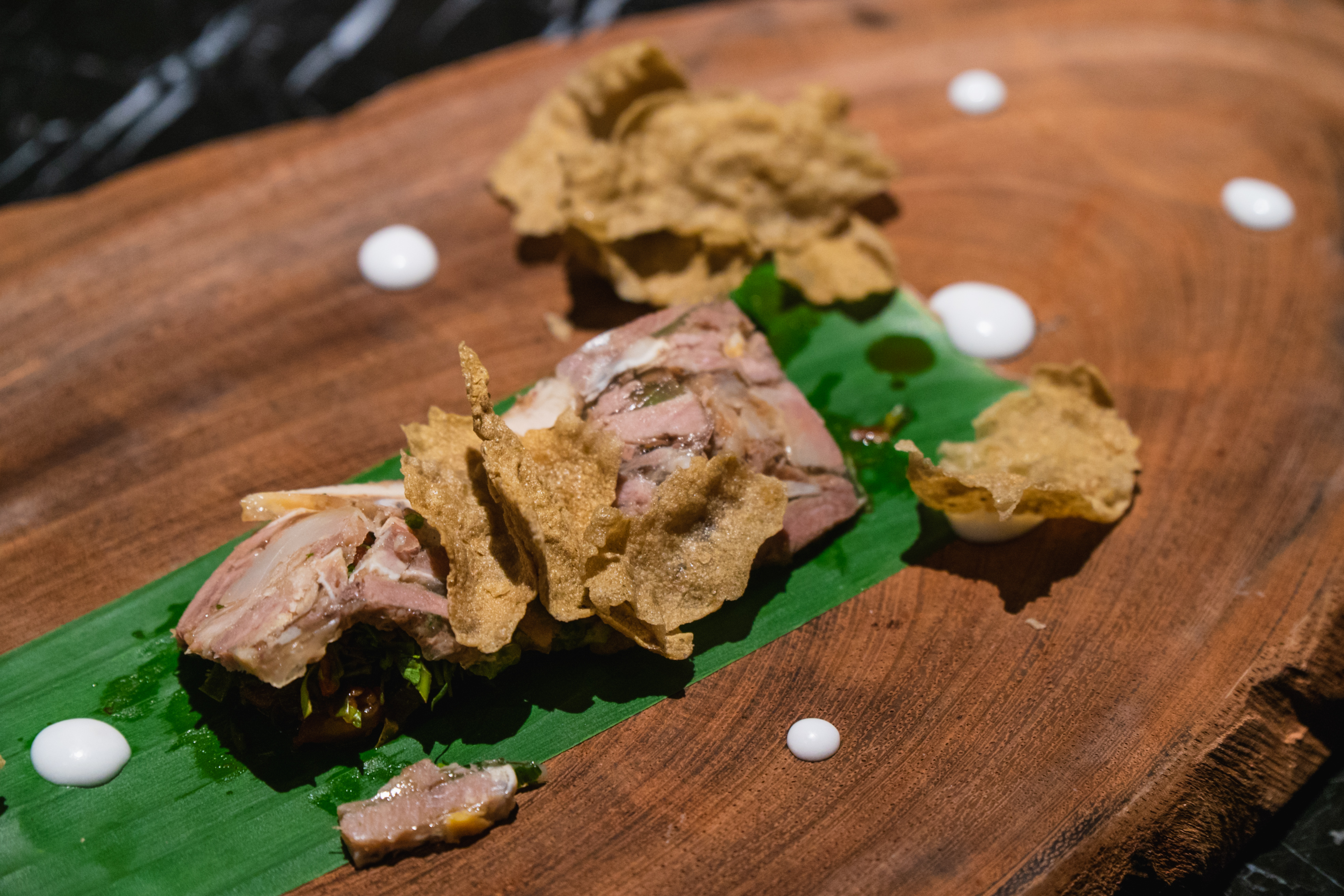
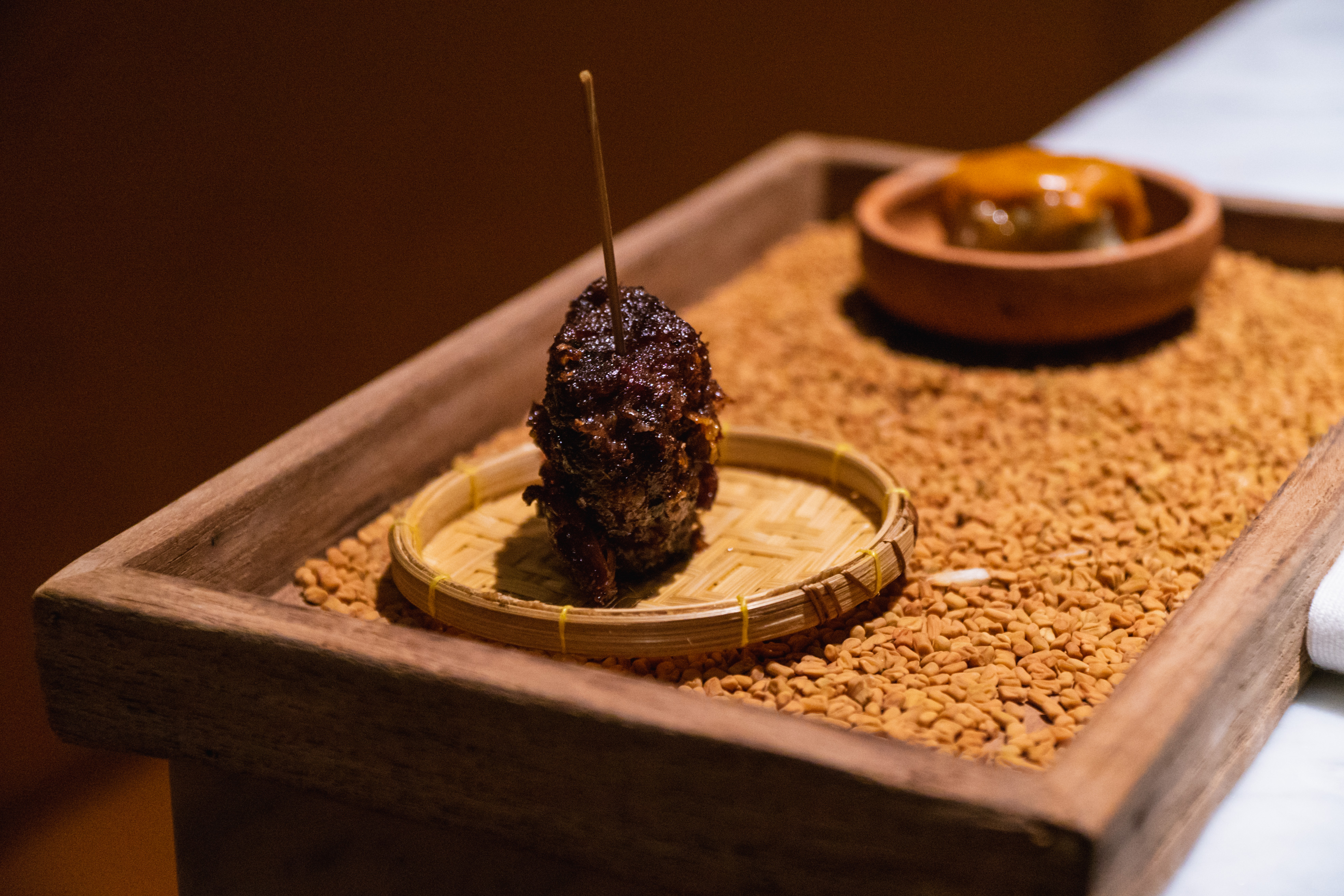
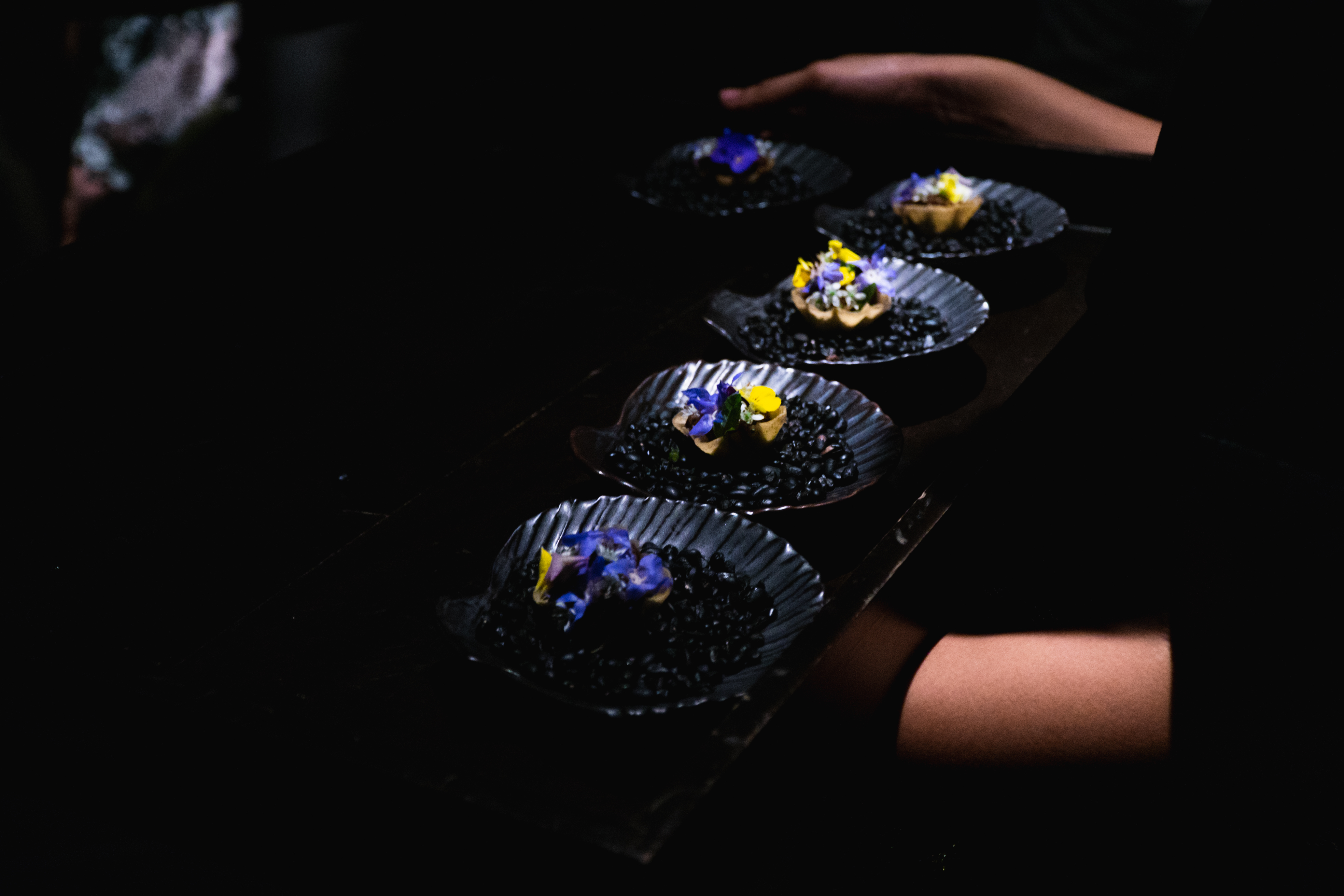
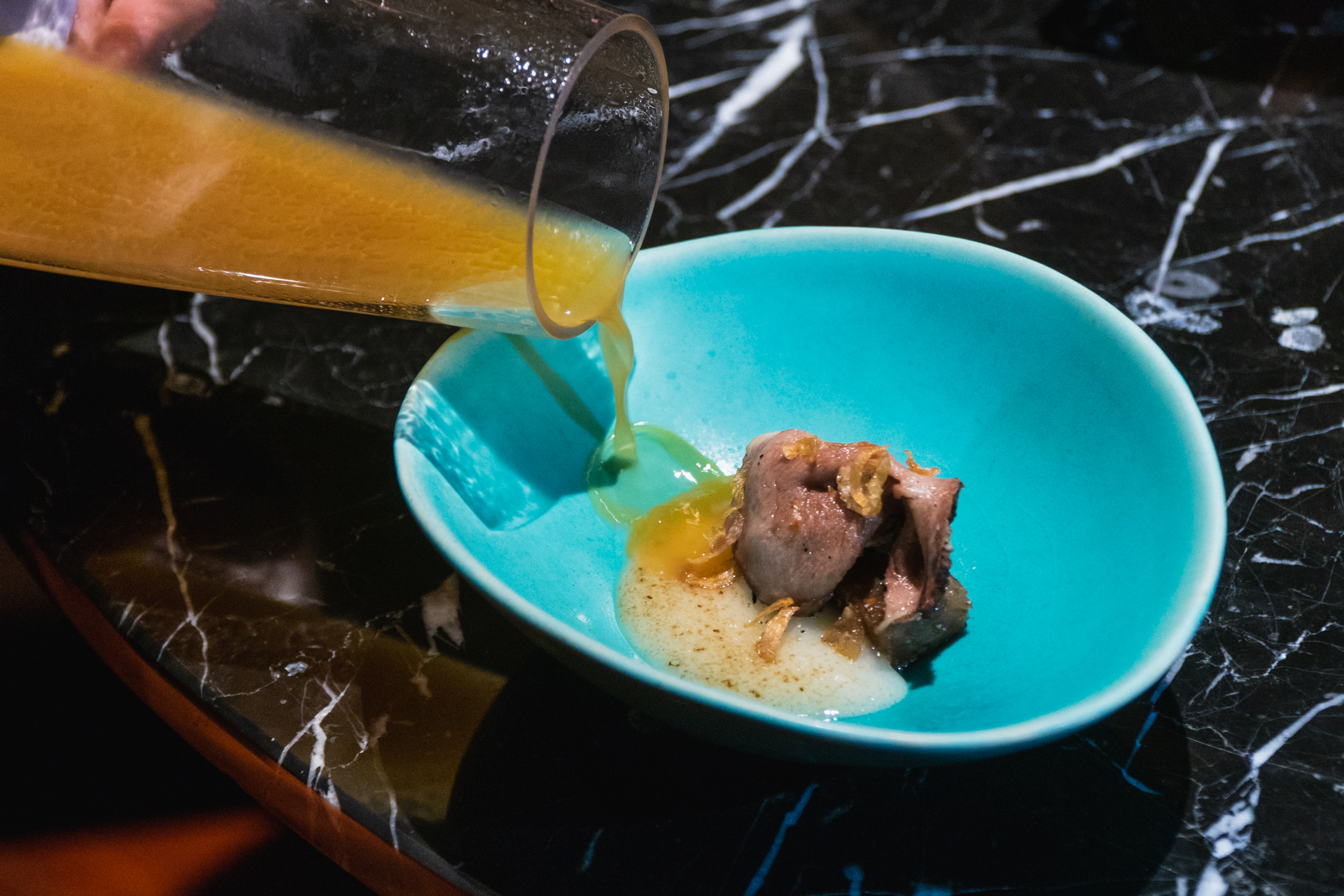
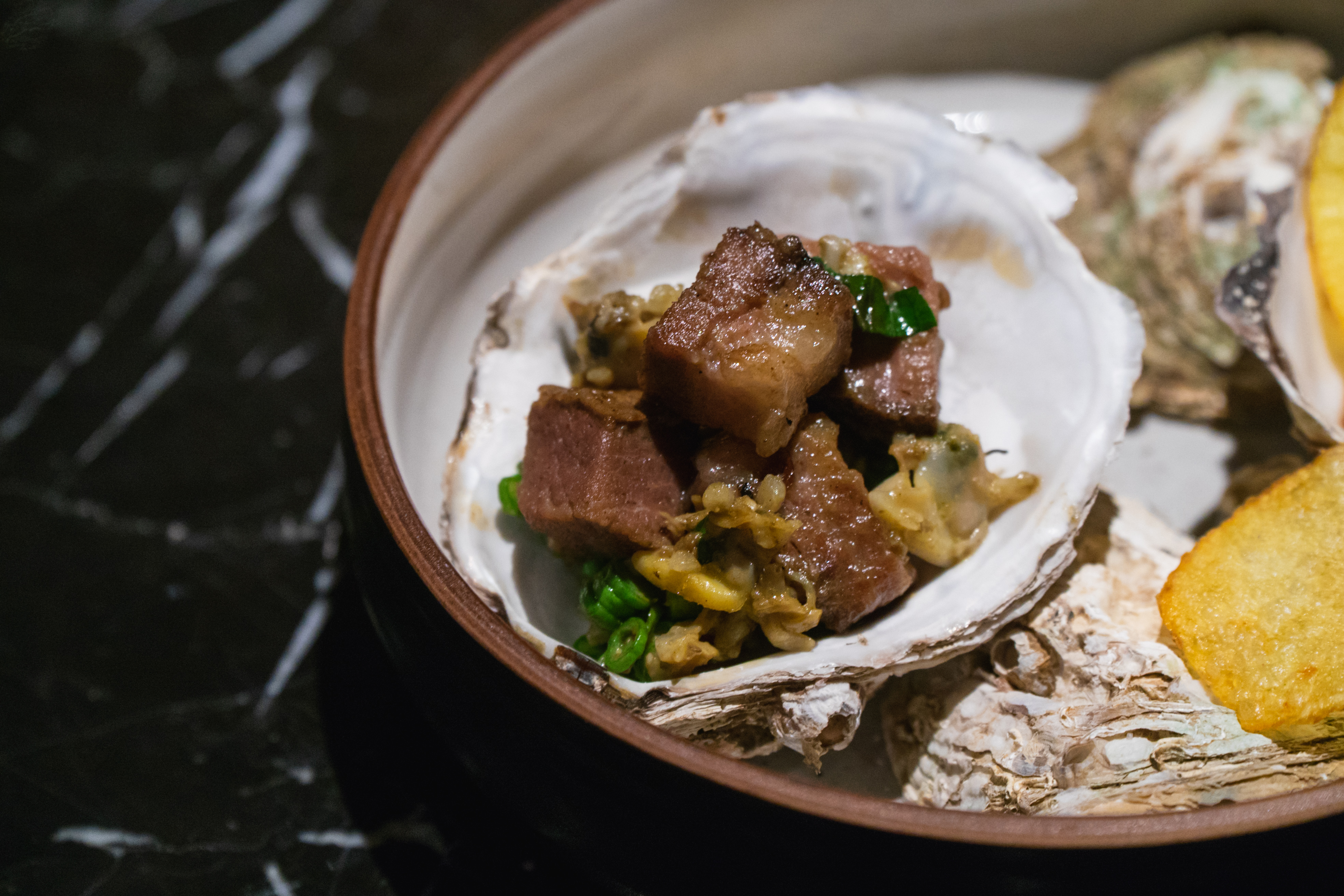
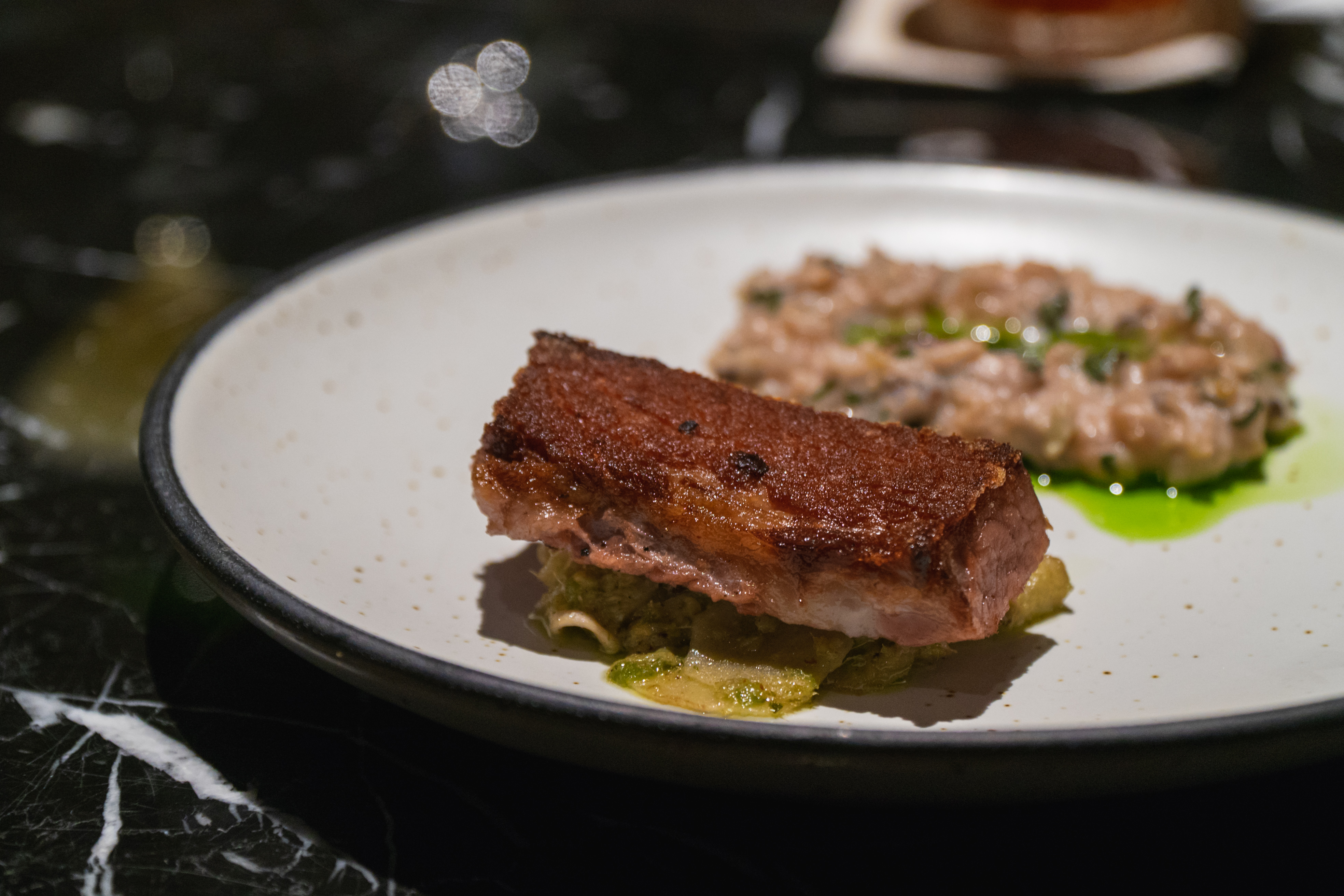
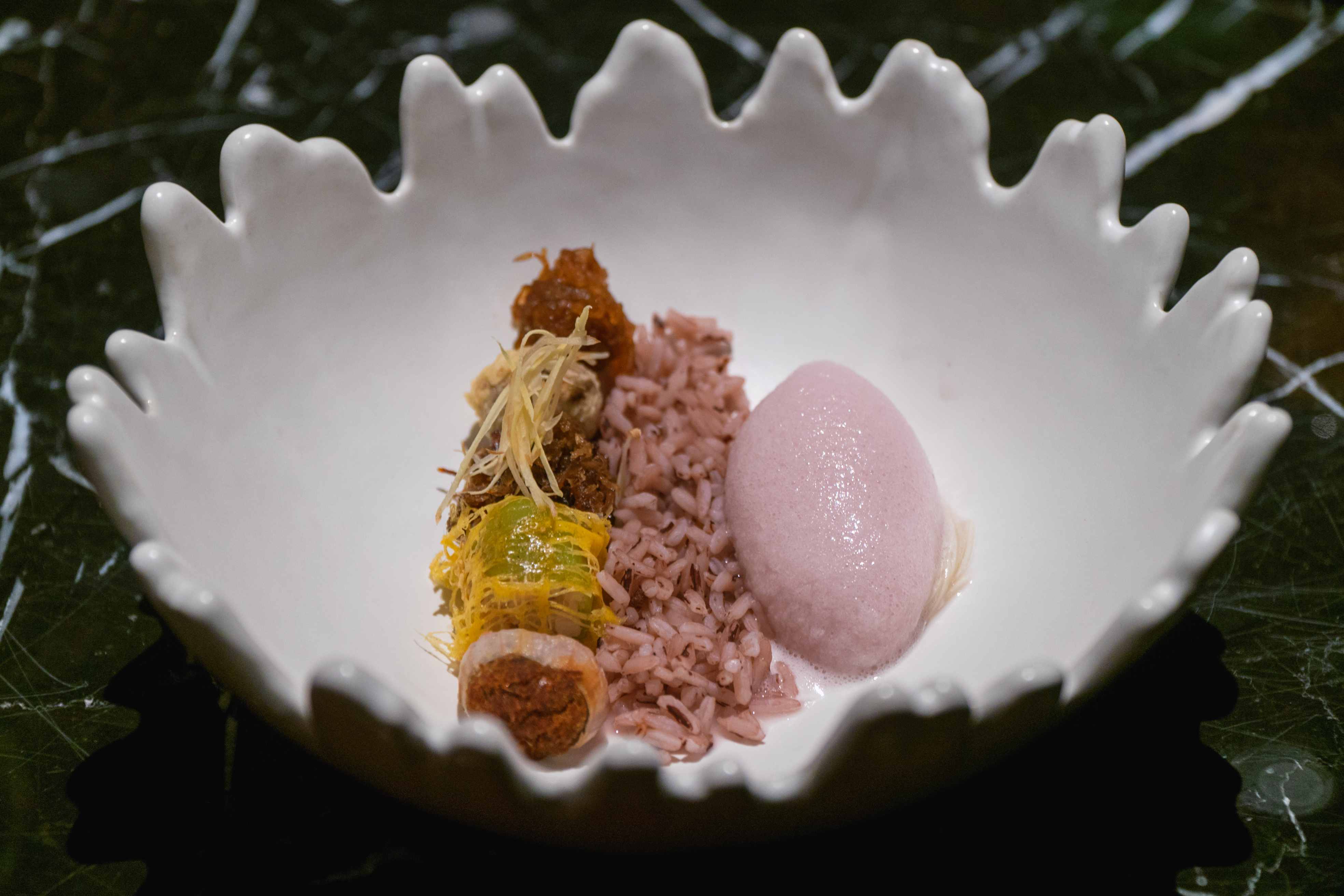
On the night, TAAN Executive Chef Monthep “Thep” Kamolsilp helped prepare a special nine-course menu showcasing three breeds of beef sourced from Cows & The Boy–namely, Bangus, Charolais and Matsusaka Nichi wagyu–across a range of innovative Thai dishes, while Khun Por shared lessons learned from his unique career arc.
With a background in real estate, Khun Por makes something of an unlikely beef farmer, but his expertise in the field in astonishing. In fact, he wasn’t even an avid beef eater until fairly recently. A simple meal with his Muslim business partner gave him his first taste of imported beef, and he hasn’t looked back.
As his love of beef grew, his tastes turned to New Zealand striploin, Australian ribeye and other choice cuts from all over the world. Finally, he decided to bid farewell to the real estate world and direct his attention to importing beef.
Like many, Khun Por was skeptical about the prospects of Thai-reared beef, but one day he had a prophetic thought: “Thailand’s obviously full of natural resources, as well as plenty of skilled farmers, so why can’t Thailand have its own world-class beef?” he told the diners at TAAN. 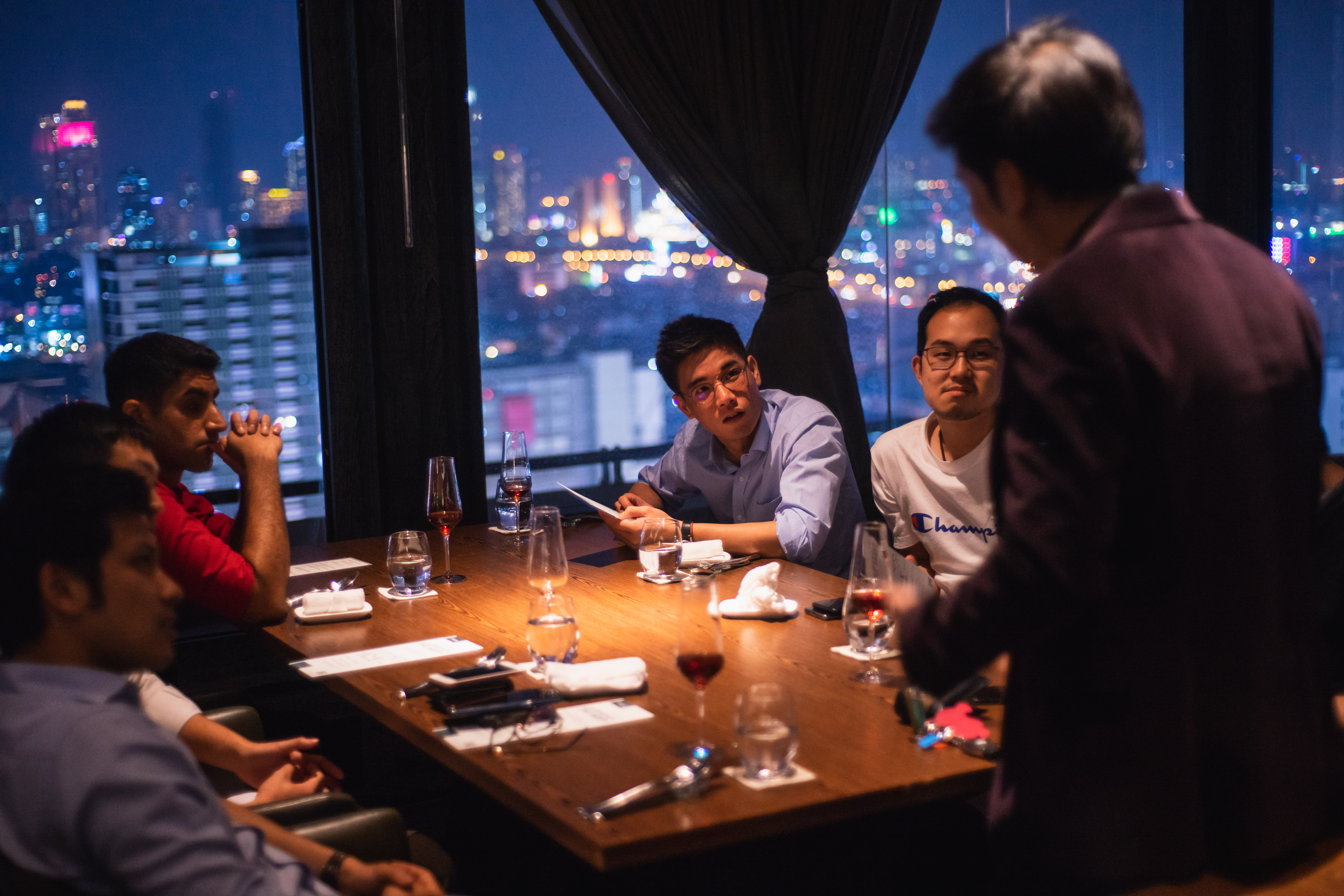
That was the moment everything changed. Yet while Khun Por took every length to learn how to produce top-quality local beef–from attending seminars to conducting his own experiments–there were many roadblocks. He discovered that all the up-to-date knowledge and equipment means little if local farmers continue to inject their cattle with harmful chemicals and hormones in the misguided quest to produce “fresh” looking red meat.
Khun Por lobbied the government to support farmers willing to change their farming methods to safer, more natural standards. However, old habits die hard and many farmers he approached were reluctant to change their ways. Eventually he was able to gather a number who were committed to foregoing chemical injections in the name of healthier produce.
“The biggest challenge is changing the mindset of Thai farmers,” Khun Por explained. “Many don’t believe that cows require proper treatment because the cow is a very tough animal, they’re very easy to maintain and they eat whatever we give them. They don’t think beef needs to be tracked all the way back to its source; rather, that all they need to do is produce vibrant red meat in order to sell their products well.”
Not only does Khun Por believe in the ethical treatment of cattle–he helped write the book on it! Realising that Thailand is full of imported cows, he set out on a mission to produce genuine Thai beef. In doing so, he found Thailand’s unique environment, weather and geography all but rendered foreign manuals unusable. So he and his team wrote their own manual on rearing Thai cattle from scratch.
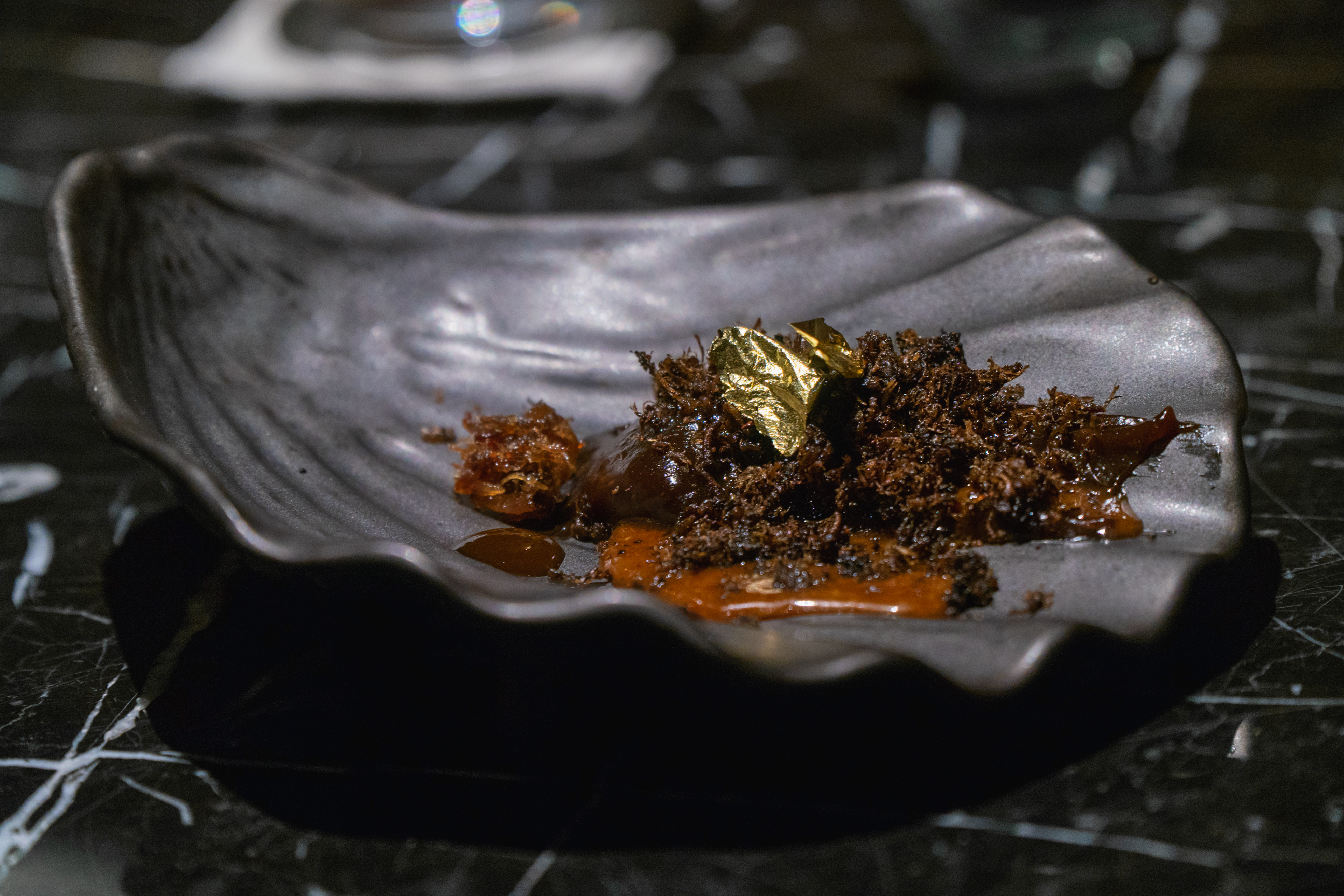
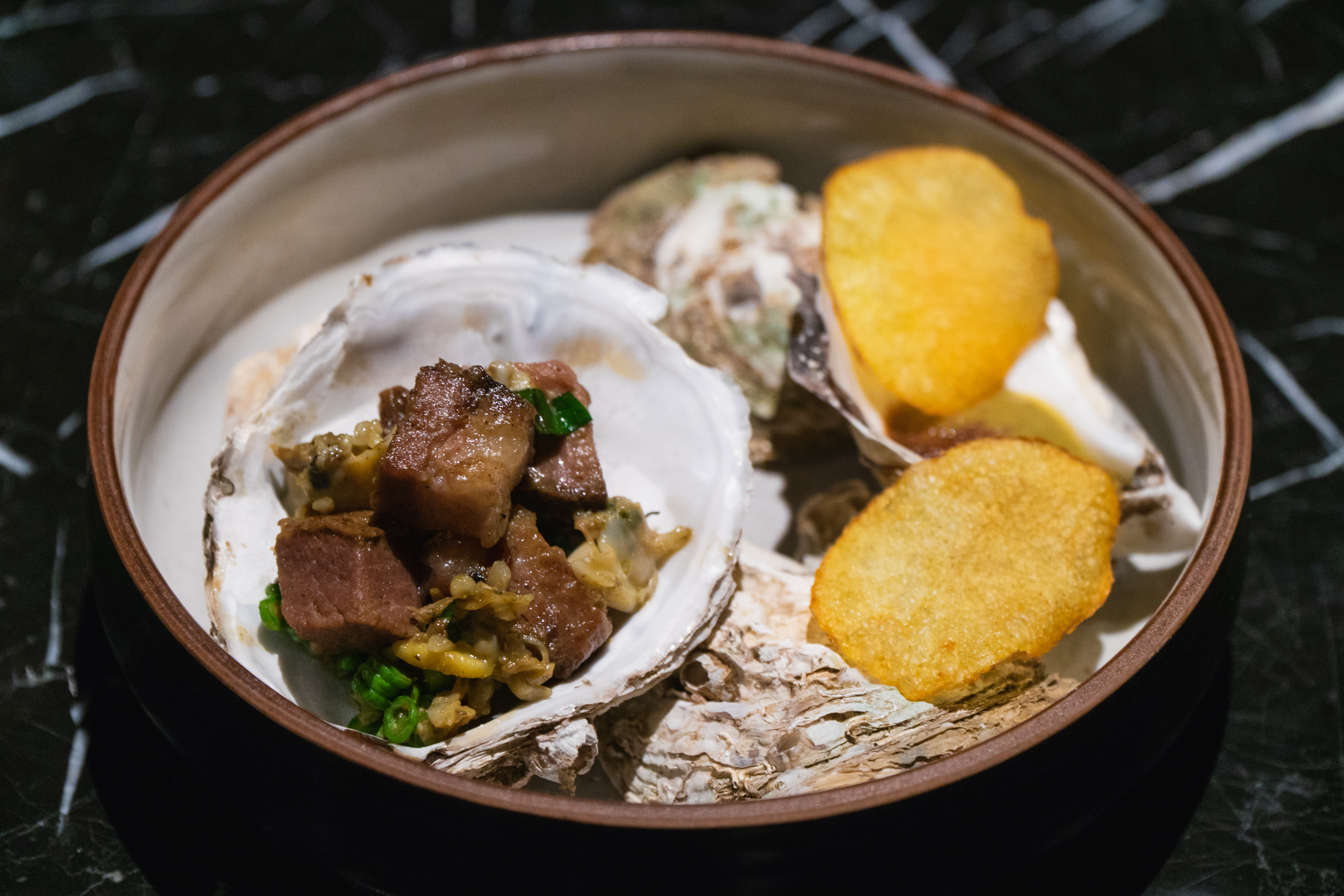 As diners feasted on Chef Thep’s intriguing flavour combinations in creations like braised Bangus cheeks in pork bone head cheese with lime croton salad and acacia leaves; and deep-fried Matsusaka Nichi braised beef cheeks with homemade Sriracha sauce, Khun Por was also full of advice for home consumption. Meat should only ever be chilled, and never frozen, he said, as frozen meat inevitably contains a lot of water which ultimately dilutes the overall taste.
He also stressed the importance of purchasing beef from a reliable, clean and hygienic butcher who operates at the proper temperature and ventilation. Diners should also be wary to opt for beef that’s fully traceable back to its source.
Khun Por also questioned the high demand for artificially marbled beef; that is, meat whose high-fat content is the result of injection. If the meat looks unnatural, Khun Por said, that’s very likely to be the case. Signs your beef marbling is deceptive include artificial looking white veins in or between the muscles. Unfortunately, this practice is rife, even in some of the best restaurants in Bangkok.
Khun Por emphasised that diners should educate themselves on the providence of their produce in order to make the right decisions for the well-being. When it comes to actually consuming the beef, he’s a lot less strict. While many hold to the theory that beef should only be seasoned with salt and pepper, he said he the cooking method is totally up to the individual–as long as the beef is delicious.
By welcoming knowledgeable artisans such as Khun Por, TAAN hopes to play a big role in spreading awareness ethical farming practices. Not only does Chef Thep aspire to serve delicious Thai food, he wants to promote consciousness among his customers for healthy, safe dining.
Join us for more deliciously informative evenings soon at TAAN.